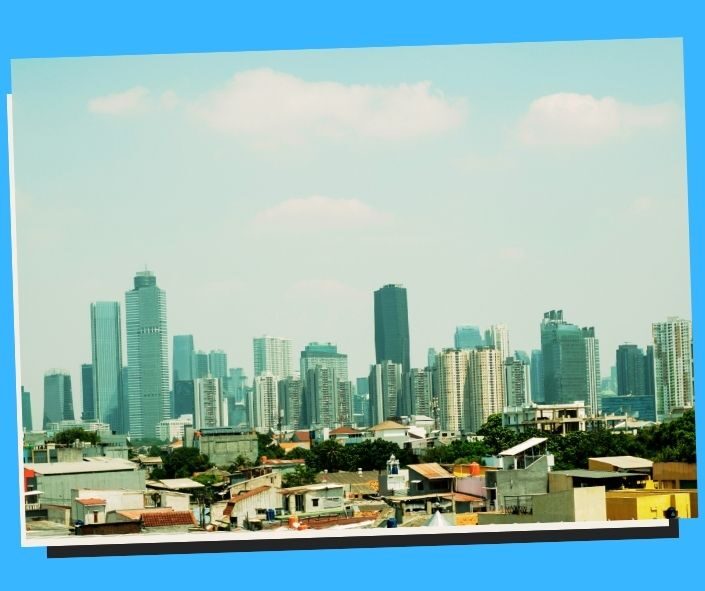
Redefining Success: Why Slow Living is the Ultimate Flex in Modern Manila
our roadmap to a slower life. Learn why “Hustle Culture” is failing us and how to set boundaries that protect your well-being in the Philippines.
Setting Boundaries: How to Reclaim Your Time from Manila’s Hustle Culture
In the Philippines, we are often raised with the idea that sipag at tiyaga (hard work and perseverance) are the only keys to success. While these are noble traits, modern society has morphed them into a relentless “hustle culture.” From the 3-hour daily commute in Manila to the “always-on” expectations of remote work, many Filipinos find themselves trapped in a cycle of toxic productivity. We wear our exhaustion like a badge of honor, but at what cost? 🇵🇭⏳
Slow Living isn’t about being lazy or doing nothing; it’s about doing everything at the right speed. It is a conscious choice to prioritize quality over quantity and presence over prestige. To master this in the Philippines, you must learn the art of setting boundaries—not just with your boss, but with a culture that tells you that your worth is tied to your output. This guide explores how to pull back the reins and reclaim your life.
How to Master Slow Living by Setting Boundaries
Transitioning to a slower pace in a high-pressure environment requires a tactical shift in how you interact with your world.
1. Define Your “Off-Clock” Hard Line
In our hyper-connected culture, it’s common to receive “quick” Work Chat messages at 9 PM. Mastery begins by setting a hard boundary. Inform your team that after a certain hour, you are unreachable. Use the “Do Not Disturb” feature on your phone to enforce this silence.
2. Challenge the “First In, Last Out” Myth
There is a lingering cultural pressure in Philippine offices to stay as long as the boss stays. Slow living requires you to focus on impact, not optics. If you have finished your tasks efficiently, give yourself permission to leave on time. Productivity is not measured by the hours you sit in a chair.
3. Manage “Utang na Loob” in the Workplace
The Filipino value of “debt of gratitude” can often lead to “boundary creep,” where you feel you can’t say no to extra favors. Practice saying: “I appreciate the opportunity, but my current capacity doesn’t allow me to take this on without compromising the quality of my other work.”
4. Reclaim Your Morning “Ritual”
Instead of immediately checking emails upon waking up (the ultimate hustle move), spend your first 30 minutes in silence. Whether it’s a slow cup of Barako coffee or a short walk, this creates a “peace buffer” before the day’s noise begins.
5. Say No to “Pakikisama” That Drains You
Socializing is vital, but forced pakikisama (conformity) in the form of endless after-work drinks or “optional” weekend events can lead to social burnout. Choose the gatherings that truly nourish you and politely decline the rest.
Benefits
- Reduced Cortisol Levels: Lowering your pace directly reduces stress and its physical toll on your body.
- Better Focus: When you stop rushing, your “Deep Work” capabilities improve, leading to higher-quality output.
- Improved Relationships: Presence is the best gift you can give your family and friends.
- Heightened Creativity: A bored or rested mind is often the most creative one.
- Financial Savings: Slow living encourages “Slow Consumption,” helping you avoid the “stress-buying” common in hustle culture.
- Better Sleep: Disconnecting from digital noise earlier leads to deeper, more restorative rest.
- Increased Self-Awareness: You begin to understand what you want, rather than what society expects of you.
- Physical Health: More time for home-cooked meals and intentional movement.
- Mental Clarity: You stop reacting to emergencies and start acting on priorities.
- Sustainable Career: You prevent the “crash and burn” that ends many promising careers prematurely.
Pros and Cons
Pros
- A profound sense of peace and daily satisfaction.
- Greater resilience against external chaos (like traffic or office drama).
- Authentic connections with loved ones.
- A lifestyle that feels like a choice, not a reaction.
Cons
- Cultural Pushback: Friends or colleagues might initially view your boundaries as “distancing” or “lazy.”
- FOMO: You may miss out on some fast-tracked opportunities that require 24/7 availability.
- Initial Anxiety: Stopping the hustle can feel uncomfortable for those used to constant stimulation.
Key Takeaways
- Slow is Fast: Doing things correctly and calmly prevents the mistakes born of haste.
- Boundaries are Kind: They let people know how to interact with you without causing resentment.
- Busy is Not a Personality: You are more than your job title or your to-do list.
- Rest is Productive: Your brain needs downtime to process information and “recharge.”
- The PH Context: Acknowledge the challenges (like traffic), but control what you can—your reaction and your schedule.
Frequently Asked Questions
1. Isn’t “Slow Living” only for the rich?
Not at all. While “Slow Travel” might be pricey, “Slow Living” is a mindset. It’s about choosing to walk instead of taking a trike for short distances, or cooking a simple meal rather than ordering fast food.
2. How do I tell my Filipino boss I need boundaries?
Focus on productivity. Frame it as: “I want to ensure I’m 100% focused during work hours, so I’ll be disconnecting after 6 PM to recharge.”
3. What if my job requires me to be “On Call”?
Set boundaries within the chaos. If you must be on call, ensure your “off” days are strictly protected and sacred.
4. How does “Slow Living” handle Manila traffic?
You can’t change the traffic, but you can change your environment. Use that time for audiobooks or meditation, or negotiate a “flexi-time” schedule to avoid the peak rush.
5. Does this mean I shouldn’t be ambitious?
Absolutely not. Slow living is about Sustainable Ambition. It’s the difference between a sprint that kills you and a marathon you can actually finish.
6. How do I deal with family members who think I’m being lazy?
Lead by example. When they see you are happier, healthier, and still successful, they will eventually understand.
7. Can I practice Slow Living in a condo in the city?
Yes. Use plants, soft lighting, and “no-phone zones” to turn your small space into a sanctuary from the urban hustle.
8. What is “The Joy of Missing Out” (JOMO)?
It’s the satisfaction of choosing to stay in or do something simple while others are busy with the latest (often draining) trends.
9. How do I start if I’m a chronic overachiever?
Start small. Pick one boundary (e.g., “No emails on Sundays”) and stick to it for a month.
10. Is Slow Living the same as Minimalism?
They are cousins. Minimalism focuses on what you own, while Slow Living focuses on how you spend your time.
Conclusion
Mastering slow living in the Philippines is an act of rebellion. In a culture that values the “grind,” choosing to breathe, set boundaries, and move with intention is how you protect your most valuable resource: your soul. You don’t have to wait for a beach vacation to feel at peace. By setting firm boundaries today, you can find the “province pace” even in the heart of the city. 🌿🕯️
Link Resources
- Psychology Today – The Dangers of Hustle Culture
- The Slow Movement – Official Principles
- DOH Philippines – Mental Health Resources
Key Phrases
how to practice slow living Philippines, stopping hustle culture Manila, setting work boundaries PH, Filipino mental health tips, intentional living in the city, work-life balance for Filipinos
Best Hashtags
#SlowLivingPH #AntiHustle #MentalHealthPH #ManilaLiving #WorkLifeBalance #IntentionalLiving #Pahinga #SlowDown #BoundarySetting #PinoyWellness
Disclaimer
The information is for educational purposes only and subject to change, and it is highly recommended to consult local authorities for the latest and most accurate updates. We do not constitute endorsement of any specific technologies or methodologies or endorse of any specific products or services. For queries, questions, corrections, or updates, please send us a message through our Contact Us page. We welcome feedback to ensure our guides remain accurate, updated, and helpful for everyone