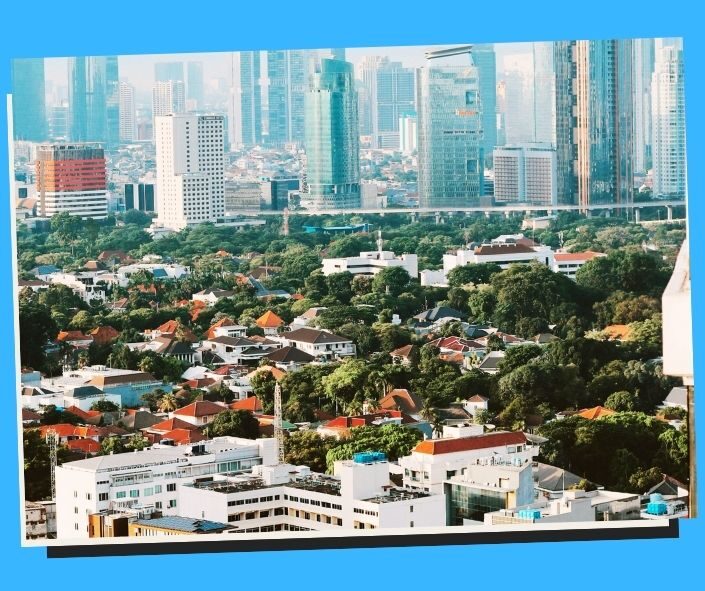
How to Become a Digital Nomad in the Philippines
Master the digital nomad lifestyle in PH. Learn about the new e-Travel system, long-term visa extensions, and how to find reliable internet on the islands.
How to Become a Digital Nomad in the Philippines
The dream of “working from a hammock” is no longer a slow-loading myth. The Philippines has rapidly transformed its digital landscape, shedding its reputation for spotty internet and replacing it with a network of Starlink-powered beach hubs and fiber-ready cities. With over 7,107 islands to choose from, the archipelago offers a unique blend of high-tech urban living and raw tropical beauty.
Whether you’re a day-trader in Siargao, a developer in Makati, or a writer in the mountains of Baguio, this guide is your blueprint for navigating visas, finding 100 Mbps+ connections, and joining one of the world’s most hospitable nomad communities.
Philippine Digital Nomad
The Philippine government has officially pivoted toward the “Sun-and-SaaS” economy. Through the Executive Order (E.O.) No. 86, the country has established a legal framework for a dedicated Digital Nomad Visa (DNV). Additionally, the nationwide rollout of satellite internet and the expansion of co-working “hubs” in provincial surf towns mean you are no longer tethered to the capital.
1. Navigating the Visa Game
The Philippines offers some of the most flexible long-term stay options in Southeast Asia.
- Visa-Free Entry: Citizens from 157 countries can enter visa-free for 30 days.
- The Tourist Extension Hack: You can extend your stay at the Bureau of Immigration (BI) for up to 36 months without leaving the country. Each extension (usually 1–2 months) is a simple process that costs roughly ₱3,000 – ₱5,000.
- The Official Digital Nomad Visa:
- Duration: 12 months, renewable for another 12 months.
- Income Requirement: Roughly $2,000/month (approx. $24,000/year) from foreign sources.
- Tax Perk: Generally, DNV holders are not considered tax residents for their foreign-sourced income.
2. Choosing Your Nomad Hub
The “best” place depends on your priority:
| Hub | Vibe | Best For | Internet Speed |
| Siargao | Surfer Paradise | Community & Work-Life Balance | Moderate (Starlink is key) |
| BGC (Manila) | Ultra-Modern | High-End Infrastructure | Excellent (Fiber/5G) |
| Cebu City | Urban + Beach | Strategic Base & Food | Very Good |
| Palawan | Nature/Adventure | Disconnecting & Creative Work | Improving (Starlink-reliant) |
| Baguio | Cool/Creative | Budget & Focus | Good |
3. The Tech Essentials
- Starlink Mini: A “must-have” for island-hoppers. It allows for reliable Zoom calls even in remote parts of Palawan.
- Dual SIM Setup: Get both a Globe and Smart SIM. If one network is down in a certain area, the other is usually up.
- GCash / Maya: These are the lifeblood of the local economy. Use them for everything from tricycle rides to high-end dining.
Pros and Cons of being a Nomad in the PH
| Pros | Cons |
| Low Cost of Living: Live comfortably on $1,500 – $2,500/month. | Traffic: Manila and Cebu traffic can be world-class in a bad way. |
| English Everywhere: 3rd largest English-speaking nation; no language barrier. | “Island Time”: Service and logistics can be slower than Western standards. |
| Starlink Integration: Satellite tech has solved the “dead zone” problem. | Natural Disasters: Typhoons are a reality during the wet season. |
| Hospitality: Filipinos are famously welcoming to foreigners. | Noise: Roosters and karaoke are the unofficial “alarms” of the islands. |
| Easy Long-Term Stay: One of the few places you can stay 3 years on tourist extensions. | Infrastructure Gap: Modern hospitals and malls are mostly in big cities. |
| Co-working Boom: Every major tourist spot now has dedicated laptop-friendly cafes. | Heat & Humidity: It can be draining if your accommodation lacks AC. |
| Diverse Landscapes: Switch from mountains to white sand beaches in an hour. | Public Transport: Jeepneys are iconic but not always “laptop-friendly” travel. |
| Digital Payments: Most vendors in hubs now accept QR payments. | Power Outages: “Brownouts” happen; always carry a large power bank. |
| Expat Community: Strong, supportive networks in Siargao and Makati. | Flight Costs: Frequent island hopping can add up quickly. |
| Tax-Free Status: Foreign-earned income is typically not taxed locally. | Food Consistency: Finding healthy/vegan options can be a struggle in provinces. |
Frequently Asked Questions (FAQ)
- Is the internet fast enough for video calls?
- Yes, in hubs like BGC, Makati, and Cebu. On islands, check for Starlink or “Fiber” icons in your Airbnb.
- How much is the average rent?
- A studio in BGC is around $700–$900, while a beach hut in Siargao can be $400–$600.
- Can I open a local bank account?
- Usually no, but you can use Maya or GCash with a local SIM and tourist visa.
- Do I need health insurance?
- Yes. Use SafetyWing or Genki for nomad-specific coverage.
- Is it safe for solo travelers?
- Generally, yes, but stick to well-known hubs and practice standard city awareness.
- What is the best month to arrive?
- November to May is the dry season (the “Summer” period).
- Do I need an onward ticket?
- Yes, to enter the country. Many use “rent-a-ticket” services for a few dollars.
- Can I stay for a year?
- Yes, either through the new Digital Nomad Visa or by extending your tourist visa every 2 months.
- What is the “e-Travel” system?
- A mandatory digital registration you must do at etravel.gov.ph 72 hours before arrival.
- Are co-working spaces expensive?
- Most daily passes are around ₱500–₱800 ($10–$14) and include unlimited coffee and fast Wi-Fi.
Practical Tips
- The “Power Bank” Rule: Always have a 20,000mAh power bank. It’s your insurance against sudden provincial brownouts.
- Grab App: Use Grab for food delivery and car-hailing to avoid being overcharged by local taxis.
- Water Safety: Never drink tap water. Use 5-gallon “service water” delivered to your room or buy bottled.
- Join Local Groups: Search Facebook for “Digital Nomads Siargao” or “BGC Expats” to get the latest info on events and housing.
Conclusion
Becoming a digital nomad in the Philippines is a “radically sensible” choice. It offers the perfect trade-off: a lower cost of living with a high standard of communication and community. With a laptop and a sense of adventure, you can turn any of these islands into your personal corner of paradise.
Link Resources
- Bureau of Immigration PH
- Official e-Travel Portal
- Starlink Philippines
- Department of Tourism
- Numbeo (PH Cost of Living)
Key Phrases
- How to become a digital nomad in the Philippines guide
- Philippines digital nomad visa requirements
- Best islands for remote work in Philippines
- Cost of living Philippines for digital nomads
- Starlink for digital nomads Philippines
- Siargao coworking spaces for remote work
- Visa extensions for tourists in Philippines
- Remote work in Manila vs Cebu
- Digital nomad communities in the Philippines
- Best coworking cafes in BGC and Makati
Best Hashtags
#howPhilippines #DigitalNomadPH #RemoteWork #WorkFromParadise #SiargaoLife #TravelPH #StarlinkPH #NomadList #IslandOffice #BGCNomads
Disclaimer
The information is for educational purposes only and subject to change, and it is highly recommended to consult local authorities for the latest and most accurate updates. We do not constitute endorsement of any specific technologies or methodologies or endorse of any specific products or services. For queries, questions, corrections, or updates, please send us a message through our Contact Us page. We welcome feedback to ensure our guides remain accurate, updated, and helpful for everyone