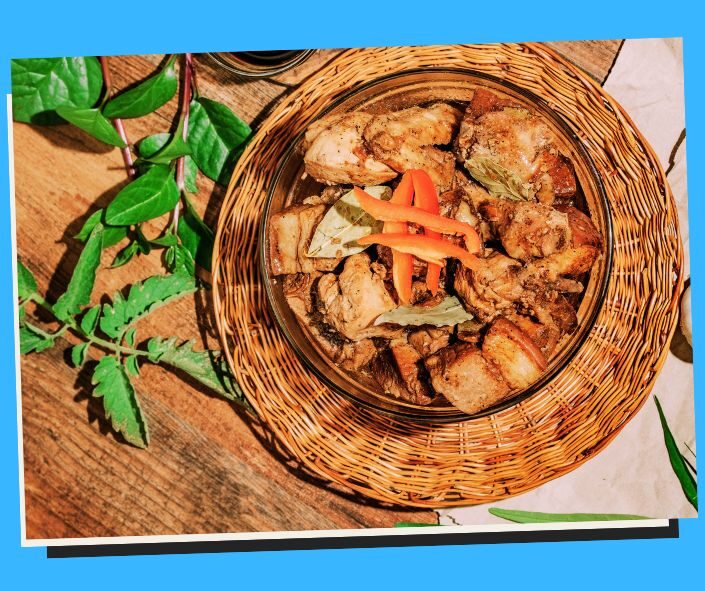
The Soul of the Philippines: Mastering the Classic Chicken Adobo Recipe
Master the national dish of the Philippines. Learn how to cook a classic, rich, and savory Chicken Adobo with this step-by-step traditional recipe.
Savory, Sour, and Sweet: Secrets to a Perfectly Balanced Chicken Adobo
Every Filipino household has its own version of Chicken Adobo, and each one claims theirs is the absolute best. As the unofficial national dish of the Philippines, Adobo is more than just a recipe—it is a culinary cultural cornerstone. Derived from the Spanish word adobar (meaning “to marinate” or “to pickle”), the traditional cooking process actually predates Spanish colonization, serving as a brilliant, indigenous way to preserve meats using the natural acidity of vinegar and salt. 🍗🇵🇭
At its heart, a classic Chicken Adobo is a beautiful study in flavor balance. It relies on a few humble, pantry-staple ingredients—soy sauce, vinegar, garlic, bay leaves, and black peppercorns—to create a complex, deeply savory, and tangy sauce that pairs perfectly with a mountain of warm rice. Whether you are a beginner looking to learn the basics or an experienced home cook aiming to perfect your technique, here is your foolproof, step-by-step guide to cooking an exceptional, classic Chicken Adobo.
How to Cook Classic Chicken Adobo
To achieve that signature fork-tender texture and intensely flavorful sauce, follow this traditional one-pot method.
Step 1: The Marinade (The Secret to Deep Flavor)
In a large bowl, combine 1.5 lbs of chicken pieces (bone-in thighs and drumsticks work best for moisture), 1/2 cup of Filipino soy sauce, 1 head of crushed garlic, and 3 to 4 dried bay leaves. Cover and let it marinate in the refrigerator for at least 30 minutes, or ideally overnight.
Step 2: Sear the Chicken
Remove the chicken from the marinade, making sure to shake off any excess liquid (save the leftover marinade for later!). Heat 2 tablespoons of cooking oil in a large wok or deep skillet over medium-high heat. Sear the chicken pieces until they develop a beautiful, golden-brown crust on both sides. This locks in the juices and creates a richer sauce flavor.
Step 3: Simmer in the Marinade
Pour the remaining marinade into the skillet along with 1/2 cup of water and 1 tablespoon of whole black peppercorns. Bring the liquid to a boil, then lower the heat to a gentle simmer. Cover the pan and let it cook for 20 to 25 minutes until the chicken is tender.
Step 4: The Crucial Vinegar Step
Pour in 1/3 cup of white cane vinegar (such as Datu Puti). Crucial Rule: Do not stir the pot immediately after adding the vinegar. Let it boil uncovered for 3 to 5 minutes. This allows the harsh, stinging alcohol note of the raw vinegar to evaporate, leaving behind a smooth, pleasant tang.
Step 5: Reduce the Sauce
If you prefer a thick, intensely concentrated adobo, remove the lid and let the sauce simmer on medium heat for an additional 5 to 10 minutes until it reduces and starts to coat the chicken. Taste the sauce; if you like a touch of sweetness to balance the tang, stir in 1 teaspoon of brown sugar at this stage.
Step 6: Serve and Enjoy
Transfer the chicken and sauce to a serving dish. Serve hot alongside a generous helping of steamed white rice or garlic fried rice (sinangag).
Benefits of Cooking Chicken Adobo
- One-Pot Convenience: Minimal dishes mean easy cleanup after a busy weeknight dinner.
- Long Shelf Life: Thanks to the natural preservative qualities of vinegar, adobo actually tastes better the next day as the flavors continue to mature.
- Budget-Friendly: Uses simple, accessible ingredients that you likely already have in your pantry.
- Meal Prep Friendly: Freezes beautifully, making it an excellent option for batch cooking.
- High Protein: A hearty, filling meal packed with high-quality protein from the chicken.
- Crowd-Pleaser: A universally loved dish that appeals to both kids and adults alike.
- Highly Customizable: The basic template can easily be adapted with pork, beef, or vegetables.
- Aromatic Therapy: Fills your entire kitchen with the warm, comforting scent of toasted garlic and bay leaves.
- No Fancy Equipment Needed: Can be cooked beautifully in a standard skillet, pot, or clay dish.
- A Cultural Gateway: The perfect introduction to the unique flavor profile of Filipino cuisine for international friends.
Pros and Cons
Pros
- Incredibly easy to master, even for absolute beginners.
- Highly forgiving recipe; ratios can easily be adjusted to taste.
- Requires very little active monitoring once it enters the simmering stage.
Cons
- Stray Peppercorns: Biting into a whole peppercorn can be an unpleasant surprise for some (you can substitute with coarsely cracked pepper if preferred).
- High Sodium: The heavy reliance on soy sauce means it can be high in sodium.
- Patience Required: Rushing the vinegar stage or skipping the sear will result in a flat, watery sauce.
Key Takeaways
- Use Bone-In Meat: Bone-in thighs and drumsticks yield a much juicier result than lean chicken breast.
- Do Not Stir the Vinegar: Let the raw vinegar boil off naturally for the first few minutes to avoid a sharp, sour taste.
- The Next-Day Rule: If you can resist eating it all, save some for the next day. The meat absorbs the sauce overnight, elevating the flavor completely.
- Sear for Texture: Taking the extra 5 minutes to brown your chicken adds deep umami complexity.
- Rice is Mandatory: The sauce is intentionally intense and concentrated; it needs a neutral base like rice to balance the palate.
Frequently Asked Questions
1. Can I use chicken breast for this recipe?
Yes, but keep in mind that chicken breast dries out easily. If using breast meat, reduce the simmering time slightly so it stays tender.
2. What kind of vinegar is best for authentic adobo?
Traditional Filipino cane vinegar (sukang maasim) or coconut vinegar is best. If those are unavailable, apple cider vinegar or standard white distilled vinegar work well as substitutes.
3. Why does my adobo taste too sour?
You may have stirred the vinegar too early, or you didn’t let it boil uncovered long enough to cook off the raw acidity. Balance it out by adding a pinch of brown sugar.
4. Is Adobo supposed to be soupy or dry?
This is a matter of personal preference! “Adobo sa Gata” includes coconut milk; some families like it swimming in sauce, and others prefer a dry adobo where the sauce is completely reduced until the chicken fries in its own rendered fat.
5. How long can Chicken Adobo stay in the fridge?
Stored in an airtight container, it can easily last 4 to 5 days in the refrigerator. Many argue it reaches peak flavor on days 2 and 3.
6. Can I add potatoes or hard-boiled eggs?
Absolutely! Adding sliced potatoes or peeled hard-boiled eggs during the final 10 minutes of simmering is a very popular way to stretch the meal and absorb more sauce.
7. Do I need to use whole peppercorns?
Whole peppercorns are traditional, but if you dislike biting into them, you can crush them coarsely with a mortar and pestle or use freshly cracked black pepper.
8. What can I use if I am on a low-sodium diet?
You can use a low-sodium soy sauce or substitute a portion of the soy sauce with a coconut aminos alternative, adjusting the vinegar slightly to taste.
9. Why did my sauce turn out bitter?
Burning your garlic during the searing process can leave a bitter aftertaste in the oil. Be careful to brown the garlic lightly without letting it scorch.
10. What is “White Adobo” (Adobong Puti)?
This is an older variation of the dish that completely omits the soy sauce, relying solely on vinegar, garlic, salt, and peppercorns for a cleaner, tangier flavor profile.
Conclusion
Mastering a classic Chicken Adobo is a rite of passage for anyone exploring the rich culinary landscape of the Philippines. Its brilliance lies in its simplicity—turning everyday, accessible ingredients into a deeply satisfying comfort food masterpiece. By honoring the traditional steps of searing the meat and letting the vinegar mellow out naturally, you can easily replicate a true taste of a Filipino home right in your own kitchen. Pour it over a hot bowl of rice, dig in, and experience the timeless magic of adobo. 🍛✨
Link Resources
- Panlasang Pinoy – Authentic Chicken Adobo Variations
- Kawaling Pinoy – Ultimate Filipino Comfort Food Guides
- History of Filipino Food
Key Phrases
how to cook classic chicken adobo, authentic filipino adobo recipe, step by step chicken adobo guide, traditional one pot adobo secrets, balancing soy sauce and vinegar
Best Hashtags
#ChickenAdobo #FilipinoFood #PinoyCooking #ComfortFood #OnePotMeal #AdoboRecipe #PinoyClassic #HomeCooking #FilipinoCuisine #RiceIsLife
Disclaimer
The information is for educational purposes only and subject to change, and it is highly recommended to consult local authorities for the latest and most accurate updates. We do not constitute endorsement of any specific technologies or methodologies or endorse of any specific products or services. For queries, questions, corrections, or updates, please send us a message through our Contact Us page. We welcome feedback to ensure our guides remain accurate, updated, and helpful for everyone