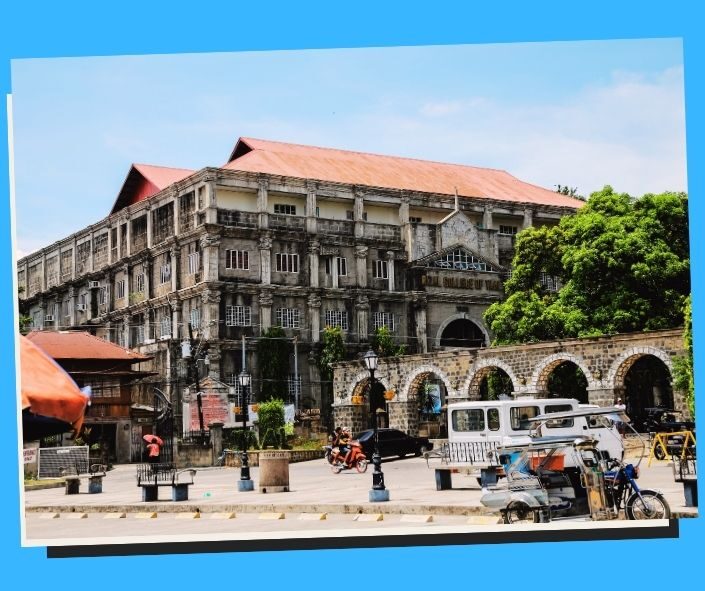
The Curated Journey: How to Book a Private Heritage Tour with a DOT-Accredited Guide
Want to explore history through expert eyes? Learn how to book a private heritage tour with a certified DOT-accredited guide for an exclusive experience.
Beyond the Guidebook: How to Secure a Certified DOT Heritage Guide for Exclusive Tours
Travel is far more than just visiting a destination and taking photos of old buildings. True travel is an act of deep exploration, an immersive deep dive into the stories, struggles, compromises, and triumphs that shaped a nation. In a culturally rich destination like the Philippines, every cobblestone street in Vigan, every weathered stone fortification in Intramuros, and every ancestral home in Silay tells an intricate story.
However, the depth of your travel experience depends heavily on the storyteller you choose. While self-guided itineraries and unofficial local hosts are widely available, they often lack the depth, academic rigor, and regulatory security required for a truly profound historical journey. This is where the value of a Department of Tourism (DOT) accredited guide becomes undeniable.
When you book a private heritage tour with an officially accredited guide, you are not simply paying for a walking companion. You are investing in an educational experience led by a vetted professional who has undergone rigorous historical training, first-aid preparation, and cultural ethics instruction. For discerning travelers, corporate groups, and heritage enthusiasts who value precision, deep historical insight, and exclusive access, mastering the process of hiring a certified professional is the ultimate way to elevate a standard vacation into a lifelong memory. 🌟
How to Book a Private Heritage Tour with a DOT-Accredited Guide
Securing a premium, customized heritage experience requires a methodical approach to research, verification, and clear communication. The following step-by-step roadmap will guide you through the process seamlessly.
Step 1: Define Your Heritage Focus and Geographic Scope
Before reaching out to operators, clarify the specific historical narrative or region you wish to explore. The Philippines offers diverse heritage tracks, including Spanish colonial history, World War II battlefields, ancestral culinary traditions, and indigenous arts. Identifying whether you want an intensive architectural walking tour of a specific district or a multi-day regional heritage trail will help you narrow down the ideal specialist.
Step 2: Access the Official Department of Tourism Accreditation Portal
To ensure absolute legitimacy, begin your search directly through official government registry channels. The DOT maintains an updated public database of accredited tourism enterprises and individuals on its primary digital portal. Navigate to the accredited listings section, filter by your target region, and select the category for tour guides. This official step guarantees that any individual you contact possesses an active license and has cleared comprehensive background checks.
Step 3: Partner with a DOT-Accredited Tour Operator for Custom Curation
While you can hire independent freelance guides, partnering with an accredited boutique tour agency specializing in cultural travel simplifies logistics. Reach out to verified operators and specify that you are requesting a private, bespoke heritage itinerary led explicitly by a DOT-certified historical guide. This approach ensures that transportation, entrance fees, and exclusive site permissions are handled comprehensively under a singular professional umbrella.
Step 4: Conduct a Rigorous Interview and Verification Process
Once you are paired with a prospective guide, request a direct consultation or email exchange before locking in your booking deposit. Ask to see a digital copy of their current DOT accreditation ID card, noting the expiration date. Use this opportunity to gauge their areas of expertise by asking targeted questions, such as their specific focus within the regional history or their experience managing private, high-profile itineraries.
Step 5: Co-Create and Finalize the Custom Itinerary
Collaborate closely with your assigned guide to refine the daily schedule. Private tours offer the luxury of flexibility, meaning you can request extended stops at specific museums, exclusive access to restricted historical archives, or private audiences with local conservationists. Clearly communicate your physical pacing preferences, dietary restrictions for cultural meal stops, and your preferred language of instruction.
Step 6: Review, Validate, and Sign the Service Contract
Never secure a high-end private tour via casual verbal agreements or messaging apps alone. Insist on a formal service contract issued by the guide or their supervising agency. Ensure that the contract explicitly details the duration of service, the guaranteed presence of the specific accredited guide you vetted, a breakdown of inclusions like transport and entrance permits, safety protocols, and a transparent refund policy.
Benefits
- Guaranteed Historical Accuracy: Accredited guides are trained extensively by historians and cultural anthropologists, protecting you from common urban legends and inaccurate folklore.
- Exclusive Access Advantages: Certified professionals often maintain strong relationships with museum curators and historical property owners, unlocking doors closed to the general public.
- Strict Safety and First Aid Compliance: DOT accreditation requires mandatory training in emergency response, ensuring your party is safe during remote heritage expeditions.
- Bespoke Pacing Flexibility: Private tours allow you to skip sites that do not interest you and linger longer at the exhibits that captivate you the most.
- Seamless Logistic Management: From securing specialized permits for historical sites to managing private transport, your guide handles the friction of travel.
- Ethical and Sustainable Tourism: Hiring accredited guides ensures fair wages are paid into the professional local tourism ecosystem, supporting community preservation.
- Protection Against Scams: Utilizing verified government-registered professionals eliminates the risk of financial exploitation by predatory, unlicensed operators.
- Tailored Language Instruction: Many accredited guides are multilingual specialists, capable of delivering complex historical narratives in specialized foreign languages.
- Deep Cultural Contextualization: A certified guide acts as a cultural bridge, explaining social nuances and etiquette that are impossible to glean from a textbook.
- Enhanced Value for Corporate Groups: Professional credentials ensure that business delegations receive world-class, politically astute, and highly polished representations of local history.
Costing and Budget Considerations
When planning a private heritage tour led by a DOT-accredited professional, understanding the fee structure helps ensure smooth negotiations and fair compensation.
The baseline professional fee for an independent, highly specialized freelance heritage guide typically ranges from 3,500 PHP to 7,000 PHP per day for standard groups. If you require a guide who speaks fluent foreign languages such as Spanish, Mandarin, or Japanese, expect premium rates starting at 8,000 PHP to 12,000 PHP daily due to the scarcity of bilingual historical specialists.
When booking an all-inclusive custom tour package through an accredited agency, costs are calculated on a per-person or flat-group rate. For a premium day tour encompassing private air-conditioned transport, museum access tokens, a curated traditional lunch, and your dedicated guide, a party of four can expect an estimated investment of 4,000 PHP to 6,500 PHP per person. Additional costs to budget for include gratuities for excellent service, heritage conservation donations at specific ancestral sites, and specialty photography permits.
Pros and Cons
Pros
- Superior quality of historical commentary and academic insights.
- Full protection under government tourism consumer safety regulations.
- Completely personalized itinerary tailored to your personal interests.
- Access to private transportation, avoiding stressful public transit logistics.
- High levels of professionalism, punctuality, and group management.
- Direct support of local cultural preservation professionals.
- Ability to request highly specialized niche historical topics.
- Reduced wait times at popular museums and historic properties.
- Ideal environment for families requiring a gentle, controlled walking pace.
- Peace of mind knowing all permits and entry requirements are pre-handled.
Cons
- Higher upfront financial investment compared to public group tours.
- Rigid booking timelines, as top guides are reserved months in advance.
- Cancellations can be disruptive if a highly specialized guide falls ill.
- Custom itineraries require active communication during the prep phase.
- Limited availability of certified guides in remote, emerging heritage zones.
- Freelance guides may require separate coordination for vehicle rentals.
- High-end tasting menus at heritage locations add significantly to the cost.
- Language-specific experts may have very limited calendar availability.
- Strict cancellation penalties typically apply during peak travel seasons.
- Heavy rain or extreme heat can alter walking portions of private paths.
Case Studies
- The Corporate Delegation: An international financial firm hosted its executive board in Manila and required an elite, politically sensitive historical overview of Fort Santiago. By booking a senior DOT-accredited heritage guide through an agency, they received a highly polished, two-hour private walking tour that seamlessly aligned with their corporate schedule.
- The Ancestral Roots Expedition: A Filipino-American family returned to Iloilo to trace their family lineage and explore regional sugar baron history. They hired a specialized local accredited guide who curated a route through the ancestral homes of Silay and Jaro, coordinating private entry into private family estates.
- The Architecture Masterclass: A group of design students booked a private tour of Vigan focused specifically on Spanish-Chinese-Ilocano architecture. Their accredited guide arranged a sit-down session with a master building restorer, providing insights a standard tour operator could not offer.
- The World War II Retrospective: A military history enthusiast required a deep dive into the Battle of Manila. He secured a licensed DOT guide specializing in 20th-century warfare, who brought along archival maps and military records to contextualize the ruins of Intramuros.
- The Foreign Diplomat Visit: A European embassy required a highly secure, intellectually rigorous cultural tour for a visiting minister. They coordinated with the DOT to secure a top-tier, Spanish-speaking guide who managed the high-profile itinerary with absolute diplomatic decorum.
- The Gourmet Heritage Trail: Food writers traveling through Pampanga wanted to understand the intersection of geography and culinary evolution. They booked an accredited culinary-heritage guide who led them through ancestral kitchens, private farms, and markets.
- The Solo Academic Researcher: A historian working on a thesis regarding the Galleon Trade hired an accredited guide in Cavite to gain access to specific port ruins and church registries that required local official introductions.
- The Luxury Anniversary Getaway: A couple celebrating their silver anniversary desired a romantic, deeply informative sunset tour of Intramuros via an exclusive horse-drawn carriage. Their accredited guide perfectly timed the historical narration to match the sunset over Manila Bay.
- The Remote Tribal Expedition: Travelers exploring the rice terraces of the Cordilleras hired a DOT-accredited indigenous guide. This step ensured they navigated sacred tribal lands with absolute cultural respect and communal alignment.
- The Large-Scale Family Reunion: A family of twenty, ranging from toddlers to elderly grandparents, required an adjustable tour of Cebu’s oldest streets. The private accredited guide managed the group’s physical limitations effortlessly, altering stops based on real-time fatigue levels.
Key Takeaways
- Accreditation Equals Security: Always cross-reference a guide’s credentials with the official DOT registry to protect your investment.
- Specialization Matters: Choose a guide whose specific historical passions match your itinerary focus area.
- Contracts are Mandatory: Secure every private booking with an official written document detailing all inclusions.
- Bespoke Means Flexible: Use the private format to request custom museum access and specialized site visits.
- Support Local Ecosystems: Professional fees directly fund the conservation and promotion of vulnerable heritage sites.
- Plan Months Ahead: The best historical guides are often booked out by educational and state institutions far in advance.
- Respect the Vinegar Step of Rules: Always defer to your guide’s advice regarding local heritage site photography and clothing etiquette.
- Prioritize Bone-In Comfort: Invest in private air-conditioned transport when navigating multi-day regional heritage trails.
- Language Carries a Premium: Expect higher professional rates if your group requires fluent non-English foreign translation.
- The Storyteller Transforms the Trip: A certified guide turns simple visual landmarks into an intellectual, emotional human experience.
Frequently Asked Questions
1. How do I easily check if a tour guide is officially DOT-accredited?
You can ask the guide to provide their 13-digit DOT accreditation number or visit the official Department of Tourism portal to verify their name in the active registry.
2. Is it customary to tip a private DOT heritage guide?
Yes, while tipping is not legally mandatory, a gratuity of 10% to 20% of the baseline professional fee is standard practice for exceptional, personalized service.
3. Can a private guide accommodate travelers with mobility issues?
Absolutely. Because the tour is private, an accredited guide can specifically design a step-free, low-exertion route utilizing ramps and vehicle support.
4. What happens if it rains heavily on the day of our outdoor heritage tour?
Most professional service contracts will outline contingency plans, which typically involve shifting the itinerary to indoor museums, ancestral home interiors, or historical churches.
5. Are entrance fees to museums usually included in the guide’s basic daily rate?
No, independent freelance guide fees generally cover their professional narration only. Group entrance fees and parking tokens must be paid separately or bundled via an agency package.
6. Do DOT guides undergo background checks?
Yes, obtaining government accreditation requires the submission of official police clearances, medical fitness certificates, and proof of extensive citizenship training.
7. Can we hire a DOT-accredited guide for a multi-city heritage tour?
Yes, many top-tier guides travel with private parties across multiple provinces, though you will be responsible for covering their long-distance transport, meals, and hotel lodgings.
8. What is the standard duration of a full-day private heritage tour?
A standard full-day booking typically spans 8 hours, usually commencing at 8:00 AM or 9:00 AM to optimize daylight hours at open-air historical parks.
9. Why should I hire an accredited guide over a student historian or local enthusiast?
Accreditation ensures accountability, standard pricing structures, certified safety skills, and compliance with national historical guidelines, minimizing the risk of misinformation.
10. Do accredited tour guides specialize in culinary heritage as well?
Yes, many cultural guides choose to specialize in culinary history, tracking how agricultural shifts, colonization, and migration patterns formed local foodways.
Conclusion
Investing in a private heritage tour with a DOT-accredited guide is an intentional choice to honor the depth of the destination you are exploring. By bypassing the superficial tourist experience, you allow a certified professional to breathe life into the architecture, politics, and human struggles of yesteryear. The process of verifying credentials and co-creating a personalized itinerary may require a bit of patience, but the return on that investment is a flawless, deeply engaging, and highly secure travel experience. When you are ready to explore the vivid tapestry of history, choose to step out with an expert who can truly guide your mind as well as your feet. 🗺️
Link Resources
- Department of Tourism Philippines Official Portal
- National Historical Commission of the Philippines
- National Museum of the Philippines
- Intramuros Administration Official Site
- UNESCO World Heritage Centre – Philippines
Key Phrases
how to book DOT accredited guide, private heritage tour preparation, hire professional history guide Philippines, verifying tourism accreditation online, premium bespoke cultural travel, Intramuros private historical tours, Vigan heritage trail coordination, certified local storytellers, exclusive museum tours Manila, department of tourism licensed operators
Best Hashtags
#HeritageToursPH #DOTAccredited #PrivateTravel #FilipinoHistory #CulturalHeritage #ExploreThePhilippines #IntramurosManila #LuxuryTravelPH #SustainableTourism #TravelWithPurpose
Disclaimer
The information is for educational purposes only and subject to change, and it is highly recommended to consult local authorities for the latest and most accurate updates. We do not constitute endorsement of any specific technologies or methodologies or endorse of any specific products or services. For queries, questions, corrections, or updates, please send us a message through our Contact Us page. We welcome feedback to ensure our guides remain accurate, updated, and helpful for everyone