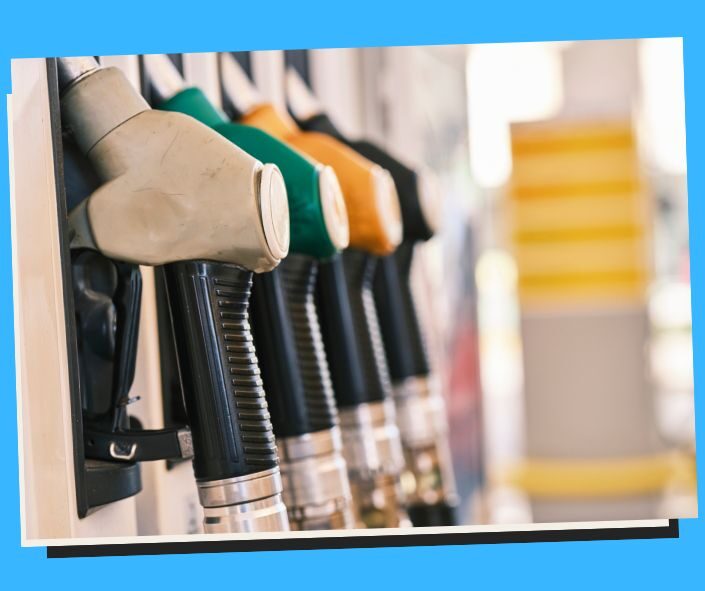
Gasoline vs Diesel in the Philippines: Complete Buyer’s and Driver’s Guide
Learn the key differences between gasoline and diesel engines in the Philippines, including fuel efficiency, maintenance costs, resale value, and driving performance.
Fuel Basic Information
Choosing between a gasoline engine and a diesel engine is one of the biggest decisions you will make when buying a vehicle in the Philippines. Whether you are shopping for a brand-new MPV like the Toyota Innova, a pickup truck like the Isuzu D-Max, or a compact sedan like the Honda City, understanding how these two fuel types work will help you make a smart investment. 🚗
At their core, both gasoline and diesel engines are internal combustion engines that convert chemical energy from fuel into mechanical energy to move your vehicle. However, they ignite fuel differently:
Gasoline Engines: Gasoline engines draw a mixture of air and fuel into the cylinders. The pistons compress this air-fuel mixture, and a spark plug creates a high-voltage electric spark to ignite it. This process is called spark-ignition. Gasoline is a lighter, more volatile petroleum distillate that ignites easily and burns quickly.
Diesel Engines: Diesel engines draw pure air into the cylinders and compress it under extreme pressure. Compression heats the air to temperatures exceeding 500 degrees Celsius. Highly pressurized diesel fuel is then injected directly into the hot cylinder, where it ignites spontaneously without a spark plug. This process is called compression-ignition. Diesel fuel is denser, oilier, and contains approximately 10% to 15% more energy per gallon than gasoline.
In the Philippines, diesel vehicles have historically enjoyed immense popularity. High-torque diesel engines power the country’s transportation backbone, including jeepneys, UV Express vans, buses, commercial trucks, and popular seven-seater midsize SUVs like the Toyota Fortuner, Mitsubishi Montero Sport, and Nissan Terra. Meanwhile, gasoline engines dominate the compact sedan, hatchback, small crossover, and motorcycle segments due to their lower upfront purchase price, smoother operation, and quieter engines.
Understanding these technical and economic differences helps you evaluate upfront vehicle pricing, long-term maintenance costs, daily fuel expenses, and resale values before signing a car loan or buying a used vehicle.
Requirements
Before choosing between a gasoline or diesel vehicle in the Philippines, consider the following preparation steps and evaluation criteria:
- Driving Profile and Annual Mileage Estimate
Calculate your average daily and monthly driving distance. Diesel engines generally justify their higher upfront cost if you drive more than 15,000 to 20,000 kilometers per year.
- Primary Driving Environment Audit
Identify where you drive most often. Determine if your daily routes consist of stop-and-go Metro Manila traffic, long provincial highway cruises, or steep mountainous climbs in Baguio or Tagaytay.
- Vehicle Budget and Financing Limits
Establish your total vehicle budget. Diesel variants of the same vehicle model in the Philippines typically cost PHP 100,000.00 to PHP 250,000.00 more than their gasoline counterparts.
- Maintenance Budget Preparedness
Determine if you can handle higher routine service expenses. Modern Common Rail Direct Injection (CRDI) diesel engines require specialized synthetic oils, frequent fuel filter changes, and clean fuel to prevent injector failure.
- Payload and Towing Needs
Assess how much weight you plan to haul. If you operate a business carrying heavy cargo or frequently travel with a full load of passengers and luggage, diesel’s high low-end torque is essential.
Step-by-Step Guide
Follow these practical steps to determine whether a gasoline or diesel vehicle is the right choice for your lifestyle and budget in the Philippines:
Step 1: Compare the Initial Purchase Price of Your Target Vehicle
Look at the price difference between gasoline and diesel variants of your preferred vehicle model.
Example:
Target Model: Compact Crossover or MPV
Gasoline Variant Base Price: PHP 1,050,000.00
Diesel Variant Base Price: PHP 1,220,000.00
Price Difference: PHP 170,000.00
Step 2: Calculate Your Expected Annual Mileage
Estimate how many kilometers you drive per year based on your daily commute and weekend trips.
Example:
Daily Commute: 40 km (round trip) x 22 workdays = 880 km per month
Weekend Trips: 300 km per month
Total Monthly Distance: 1,180 km
Total Annual Distance: 14,160 km per year
Step 3: Estimate Annual Fuel Costs for Both Engine Types
Calculate your estimated annual fuel spend based on real-world fuel economy figures in the Philippines.
Gasoline Example (10 km/L average at PHP 60.00/L):
14,160 km ÷ 10 km/L = 1,416 liters per year
1,416 L x PHP 60.00 = PHP 84,960.00 per year
Diesel Example (14 km/L average at PHP 54.00/L):
14,160 km ÷ 14 km/L = 1,011.4 liters per year
1,011.4 L x PHP 54.00 = PHP 54,615.60 per year
Annual Fuel Savings with Diesel: PHP 30,344.40
Step 4: Calculate Your Upfront Cost Payback Period
Divide the initial purchase price difference by your annual fuel savings to see how many years it will take to recover the extra cost of the diesel engine.
Example:
PHP 170,000.00 price difference ÷ PHP 30,344.40 annual fuel savings = 5.6 years
If you plan to keep the vehicle for longer than 5.6 years, the diesel engine will generate net savings over time. If you plan to sell the car in 3 years, the gasoline model may be the smarter financial choice.
Step 5: Factor in Routine Preventive Maintenance Schedule (PMS) Costs
Inquire about the regular service costs at authorized dealerships or local auto shops. Diesel engines require larger oil capacities (often 6 to 8 liters of specialized diesel oil compared to 3 to 4 liters for gasoline engines) and frequent replacement of secondary fuel filters and air filters. Expect diesel PMS costs to be 20% to 35% higher over a 5-year period.
Step 6: Evaluate Your Daily Route and Traffic Conditions
If your daily commute consists of short, 3-kilometer trips in heavy Metro Manila gridlock, a gasoline engine or gasoline hybrid is ideal. Diesel engines equipped with Diesel Particulate Filters (DPF) need periodic high-speed highway driving to burn off accumulated soot and avoid clogging.
Step 7: Test Drive Both Engine Variants Back-to-Back
Visit a dealership and test drive both gasoline and diesel models. Pay attention to steering response, cabin noise, vibration levels during idling, and acceleration responsiveness when passing other vehicles.
Step 8: Consider Resale Value in the Philippine Used Car Market
Research second-hand vehicle listings on local automotive platforms. In the Philippines, diesel SUVs, pickups, and MPVs generally retain higher resale values compared to equivalent gasoline models due to strong demand in provincial markets.
Step 9: Review Insurance and Registration Costs
Keep in mind that higher initial vehicle purchase prices translate to slightly higher annual Comprehensive Car Insurance premiums and local registration fees.
Step 10: Make an Informed Final Decision Based on Total Cost of Ownership
Select the engine type that aligns with your financial capacity, driving habits, maintenance budget, and long-term ownership goals. 🛠️
Benefits
- Superior Fuel Efficiency in Diesel Engines
Diesel engines extract more energy per liter of fuel, offering 20% to 35% better fuel economy compared to equivalent gasoline engines under similar driving conditions.
- Lower Upfront Purchase Cost for Gasoline Vehicles
Gasoline cars are significantly cheaper to buy new, allowing budget-conscious buyers to spend less capital or enjoy lower monthly loan amortizations.
- Exceptional Low-End Torque in Diesel Vehicles
Diesel engines generate peak torque at low engine speeds (RPMs), making them ideal for carrying heavy passenger loads, hauling freight, and climbing steep provincial inclines easily.
- Smoother and Quieter Driving Experience in Gasoline Vehicles
Gasoline engines produce significantly less engine noise, vibration, and harshness (NVH) inside the cabin, delivering a refined and comfortable ride in urban traffic.
- Higher Resale Value for Diesel Models in the Philippines
Diesel vehicles, particularly Japanese SUVs and pickup trucks, hold their market value extremely well in the second-hand Philippine automotive market.
- Higher Revving and Responsive Acceleration in Gasoline Engines
Gasoline engines rev higher and offer immediate, sporty throttle response, making them fun to drive in lightweight sedans and hatchbacks.
- Engine Durability and Longevity in Diesel Systems
Diesel engine blocks and internal components are built extra heavy-duty to withstand extreme cylinder compression, often lasting for hundreds of thousands of kilometers when properly maintained.
- Lower Routine Maintenance Expenses for Gasoline Models
Gasoline engines use simpler fuel injection systems, smaller engine oil capacities, and less expensive replacement filters, making routine oil changes cheaper.
- Better Suitability of Gasoline Engines for Short Urban Trips
Gasoline engines reach optimal operating temperatures quickly, making them less prone to carbon buildup during short, low-speed city drives.
- Availability of Modern Gasoline Hybrid Options
The Philippine market features an increasing number of gasoline-electric hybrids that deliver diesel-like fuel efficiency without high diesel emissions or engine noise.
Pros
- Diesel fuel generally costs slightly less per liter than premium gasoline grades at Philippine gas stations.
- Gasoline engines start effortlessly in cooler climates, such as Baguio City or elevated areas in Benguet.
- Diesel engines provide outstanding highway cruising range, often traveling over 700 to 900 kilometers on a single full tank.
- Replacement parts for popular gasoline sedans are widely available in local auto supply shops across the country.
- Diesel vehicles excel at wading through shallow street flooding during monsoon season due to elevated air intakes and no vulnerable spark ignition systems.
- Gasoline vehicles weigh less, resulting in nimble handling, responsive steering, and less wear on front suspension components.
- Modern CRDI diesel technology delivers impressive acceleration without the sluggishness of older atmospheric diesel engines.
- Gasoline engines do not require specialized exhaust fluid additives or complex soot filter regeneration routines.
- Diesel pickup trucks and commercial utility vehicles qualify for key business tax incentives and heavy-duty utility applications.
- Gasoline engines emit lower levels of nitrogen oxides (NOx) and fine particulate soot compared to older diesel engines.
Cons
- Diesel vehicles carry higher upfront showroom price tags in the Philippines.
- Gasoline engines produce lower torque, requiring frequent downshifting and higher RPMs when carrying heavy loads up steep hills.
- Modern CRDI diesel fuel injectors and high-pressure fuel pumps are sensitive to water contamination and extremely expensive to replace if damaged.
- Gasoline engines consume fuel rapidly during prolonged idling in heavy Metro Manila traffic.
- Diesel engines produce noticeable clattering noise and idling vibrations, especially as the vehicle ages.
- Gasoline vehicles experience steeper depreciation rates in the second-hand Philippine market compared to diesel utility models.
- Diesel engine oil changes require larger fluid volumes and pricier synthetic oil formulations.
- Gasoline fuel is more volatile and flammable, requiring strict fire safety precautions during storage and refueling.
- Diesel vehicles equipped with Diesel Particulate Filters (DPF) can suffer from filter clogging if driven exclusively on short, low-speed city trips.
- Unmaintained older diesel vehicles emit dark black exhaust smoke, making them targets for local anti-smoke belching units (ASBU).
Common Mistakes to Avoid
- Buying a Diesel Vehicle for Very Short City Commutes
Purchasing a diesel vehicle when your daily drive is only 2 to 3 kilometers to the local mall or train station. Short trips prevent the engine from reaching proper operating temperature, causing rapid carbon buildup and DPF clogging.
- Calculating Fuel Savings Based on Pesos Instead of Kilometers per Liter
Assuming diesel is always cheaper because of pump price differences. Always calculate total consumption efficiency (km/L) and annual mileage before deciding.
- Buying Contaminated or Unfiltered Diesel in Rural Areas
Refueling at uncertified, obscure provincial filling stations that store diesel in dirty underground tanks. Water and dirt in diesel fuel will ruin expensive common-rail injectors instantly.
- Skipping Timely Fuel Filter Changes on Diesel Engines
Neglecting to replace the primary and secondary diesel fuel filters during scheduled service visits. Clogged fuel filters starve the high-pressure pump, leading to sudden engine stalling and catastrophic pump failure.
- Neglecting Spark Plug Replacement on Gasoline Engines
Ignoring recommended spark plug service intervals on gasoline engines, which causes misfires, reduced fuel economy, and rough engine idling.
- Using Incorrect Engine Oil Grades
Using cheap, low-viscosity motor oil in a heavy-duty turbo-diesel engine. Always use oil that meets the specific API or ACEA service classification specified in your owner’s manual.
- Oversizing Your Vehicle Choice
Buying a massive 2.8-liter turbo-diesel SUV solely for one person to commute through Makati traffic when a small 1.2-liter gasoline hatchback or hybrid would save hundreds of thousands of pesos.
- Ignoring Exhaust Smoke Signals
Ignoring thick black or white exhaust smoke from a diesel engine. Black smoke indicates unburned fuel from dirty injectors or air filters, while white smoke can signal water in the fuel or head gasket leaks.
- Forgetting to Allow Turbo Cooldown Time
Shutting off a hot turbo-diesel engine immediately after hard highway driving. Turning off the engine stops oil circulation, cooking residual oil inside the hot turbocharger bearings. Allow the engine to idle for 1 to 2 minutes before switching off.
- Misfueling at the Gas Station
Failing to clearly state “Gasoline” or “Diesel” to station attendants. Putting gasoline into a diesel tank (or vice versa) damages the entire fuel delivery system if the engine is started.
Costing and Budget
Understanding the financial differences between owning a gasoline or diesel vehicle in the Philippines requires evaluating both initial purchase costs and ongoing operational expenses.
Typical cost comparison framework in the Philippines:
- Upfront Vehicle Purchase Price (Brand-New)
Gasoline Compact Sedan / Crossover: PHP 850,000.00 to PHP 1,200,000.00
Diesel MPV / Midsize SUV: PHP 1,350,000.00 to PHP 2,400,000.00
Price Premium for Diesel Engine Option: PHP 100,000.00 to PHP 250,000.00
- Average Fuel Retail Prices (Metro Manila & Major Provinces)
Regular Unleaded Gasoline (91 RON): PHP 55.00 to PHP 65.00 per liter
Premium Gasoline (95 RON): PHP 60.00 to PHP 72.00 per liter
Automotive Diesel Oil (ADO): PHP 52.00 to PHP 62.00 per liter
- Annual Preventive Maintenance Service (PMS) Expenses
Gasoline Vehicle (2 PMS visits per year): PHP 8,000.00 to PHP 14,000.00 per year
Diesel Vehicle (2 PMS visits per year): PHP 12,000.00 to PHP 22,000.00 per year
- Replacement Parts & Wear-and-Tear Costs
Gasoline Spark Plugs (Set of 4): PHP 1,200.00 to PHP 3,500.00 (replaced every 40,000 to 100,000 km)
Diesel Fuel Filter Element: PHP 1,500.00 to PHP 4,000.00 (replaced every 20,000 km)
Diesel CRDI Injector Replacement (Single Unit): PHP 18,000.00 to PHP 45,000.00
- LTO Motor Vehicle User Charge (MVUC) & Registration
Annual LTO registration fees are based on vehicle category and gross weight rather than fuel type, averaging PHP 2,000.00 to PHP 4,500.00 per year for standard passenger vehicles.
Suggested internal link: How to Budget Salary Expenses in the Philippines
Ways to Measure Success
- Optimal Fuel Mileage Achieved
Your vehicle consistently achieves or exceeds manufacturer fuel consumption figures on daily drives.
- Payback Horizon Realized
Your annual fuel savings successfully offset the higher initial purchase price of your diesel vehicle within your planned ownership period.
- Low Maintenance Downtime
Your engine operates smoothly without unprogrammed visits to the auto repair shop.
- Quiet and Comfortable Cabin Comfort
Your chosen engine type provides a noise and vibration level that meets your family’s comfort expectations.
- Smooth Power Delivery Under Load
Your vehicle climbs steep inclines and hauls passenger loads comfortably without engine straining.
- High Second-Hand Resale Value Retained
When trading in or selling your vehicle, its market value remains strong compared to market averages.
- Clean Exhaust Inspection Records
Your vehicle easily passes annual LTO Private Motor Vehicle Inspection Center (PMVIC) emission tests without warnings.
- Zero Misfueling Incidents
Your household drivers consistently communicate fuel requirements clearly at filling stations.
- Healthy Engine Oil and Filter Samples
Routine service checks reveal clean engine oil, unclogged air filters, and dry fuel separators.
- Total Ownership Satisfaction
You enjoy confidence, financial balance, and driving pleasure every time you take to the road.
Case Studies and Examples
- Hypothetical Example 1: Daily BPO Commuter in Pasig City
Mark drives 12 kilometers daily in dense EDSA traffic for his BPO job in Ortigas. He chose a 1.2-liter gasoline hatchback for PHP 780,000.00. Because his annual mileage is under 8,000 kilometers, the cheaper initial purchase price and low PMS costs saved him significant money compared to buying a more expensive diesel model.
- Hypothetical Example 2: Provincial Logistics Entrepreneur in Pampanga
Ramon operates a small provincial delivery business transporting agricultural produce from San Fernando to Metro Manila markets. He bought a 2.8-liter turbo-diesel utility van. The diesel engine’s heavy torque handles full cargo loads effortlessly, and high annual mileage (35,000 km) pays off the diesel price premium in less than two years.
- Hypothetical Example 3: Family Road-Tripper in Cebu
Elena and her husband live in Cebu City and frequently take weekend family road trips around the island with their three children and parents. They purchased a 7-seater diesel MPV. The high low-end torque allows the vehicle to climb steep mountain passes easily while delivering impressive fuel economy.
- Hypothetical Example 4: OFW Buying a Family Car in Iloilo
Ramon, an OFW working in Qatar, sent money home to buy a brand-new vehicle for his family in Iloilo. He selected a popular diesel midsize SUV because of its strong resale value, durability on rough provincial roads, and widespread availability of diesel mechanics across Panay Island.
- Hypothetical Example 5: Sales Executive Covering South Luzon
Joshua is a pharmaceutical sales representative driving 2,500 kilometers monthly across Laguna, Batangas, and Cavite. He chose a turbo-diesel compact crossover. His highway fuel economy averages 18 km/L, allowing him to save thousands of pesos on monthly gas allowances provided by his employer.
- Hypothetical Example 6: Retired Couple in Tagaytay
Lilia and her husband are retirees who drive short distances to the local market and church in Tagaytay. They bought a 1.5-liter gasoline sedan. The gasoline engine warms up quickly in cool mountain weather and provides a quiet, vibration-free ride without the noise of a diesel engine.
- Hypothetical Example 7: Rideshare (TNVS) Driver in Metro Manila
Jay-R drives a full-time rideshare vehicle in Metro Manila. He opted for a 1.5-liter gasoline-electric hybrid sedan. The hybrid setup gives him diesel-like fuel economy (22 km/L in city traffic) without the noise or vibration of a diesel engine, keeping passenger comfort ratings high.
- Hypothetical Example 8: Construction Contractor in Davao City
Carlos runs a small residential construction company in Davao. He purchased a 4×4 diesel double-cab pickup truck. The high torque allows him to haul bags of cement, gravel, and heavy equipment to rugged job sites without straining the transmission.
- Hypothetical Example 9: College Student in Quezon City
Sarah received a compact 1.0-liter turbo-gasoline hatchback for her daily drive to university in Katipunan. The car is nimble, easy to park, inexpensive to maintain, and quick to accelerate when merging onto city thoroughfares.
- Hypothetical Example 10: Provincial Resort Owner in Palawan
A resort owner in El Nido bought a fleet of 12-seater diesel passenger vans to transport guests from the airport. The high passenger capacity and long-term durability of diesel engines make them the most profitable option for commercial resort transport.
Key Takeaways
- Gasoline engines use spark-ignition, while diesel engines use compression-ignition to burn fuel.
- Diesel fuel contains 10% to 15% more energy per volume than gasoline, delivering superior overall fuel efficiency.
- Gasoline vehicles cost significantly less to buy new in the Philippines compared to equivalent diesel models.
- Diesel engines produce high low-end torque, making them ideal for heavy passenger loads, cargo hauling, and steep climbs.
- Gasoline engines deliver a quieter, smoother, and vibration-free ride in city traffic.
- High annual driving distance (over 15,000 to 20,000 km per year) is required to offset the higher purchase price of a diesel engine.
- Modern CRDI diesel fuel injection systems require high-quality fuel and strict preventive maintenance to prevent costly repairs.
- Diesel vehicles generally command higher resale values in the second-hand Philippine automotive market.
- Gasoline engines are better suited for short urban commutes and low annual mileage drivers.
- Gasoline-electric hybrid vehicles offer an attractive alternative, delivering high city fuel economy with low emissions.
Frequently Asked Questions
- Which is cheaper to maintain in the Philippines, gasoline or diesel?
Gasoline engines are generally cheaper to maintain during routine service visits because they require smaller oil capacities, simpler fuel filters, and less expensive replacement parts compared to complex CRDI diesel engines.
- Why are diesel cars more expensive to buy than gasoline cars in the Philippines?
Diesel engines must be built heavier and stronger using reinforced engine blocks and specialized components to withstand extreme cylinder compression. Advanced CRDI fuel systems and turbochargers also increase manufacturing costs.
- Is diesel fuel still cheaper than gasoline in the Philippines?
Historically, automotive diesel enjoys lower tax rates and lower pump prices per liter than premium gasoline in the Philippines. However, global market shifts occasionally cause diesel prices to equalize with or briefly surpass regular gasoline rates.
- Which engine lasts longer, gasoline or diesel?
Diesel engines typically last longer in terms of total mileage because their heavy-duty engine blocks and internal components are designed for high stress and heavy commercial use, provided oil changes and fuel filter service schedules are strictly followed.
- Are diesel engines bad for short city commutes in Metro Manila?
Yes. Short, low-speed city drives prevent diesel engines from reaching full operating temperature. This leads to faster carbon accumulation on valves and can clog Diesel Particulate Filters (DPF) over time.
- Can I put premium 95 RON gasoline in an engine rated for 91 RON?
Yes. Using 95 RON gasoline in an engine designed for 91 RON is completely safe, but it will not magically increase horsepower or fuel economy unless your vehicle’s engine computer is specifically programmed to adjust ignition timing for higher octane.
- What happens if I accidentally put gasoline in a diesel car?
Do not start the engine under any circumstances. Gasoline lacks the lubricating properties of diesel fuel and will destroy the high-pressure fuel pump and CRDI injectors. Have the vehicle towed to a service center immediately to drain and flush the fuel system.
- Why do diesel engines produce more noise and vibration than gasoline engines?
The loud clattering sound and vibration in diesel engines result from high compression pressures and sudden pressure spikes when fuel ignites spontaneously inside the cylinders.
- Are gasoline hybrid cars better than diesel cars for city driving?
For pure city driving in Metro Manila traffic, gasoline hybrids are often superior. They use electric motors at low speeds to eliminate fuel consumption during gridlock, offering whisper-quiet comfort and high city fuel economy.
- How do I know if my target vehicle has a CRDI diesel engine?
Virtually all modern diesel passenger cars, SUVs, and pickup trucks sold in the Philippines since the late 2000s use Common Rail Direct Injection (CRDI) technology, usually denoted by badges like CRDi, dCi, D-4D, Di-D, TDCI, or VGS Turbo.
Conclusion
Both gasoline and diesel engines offer distinct advantages tailored to different driving needs, budgets, and lifestyles in the Philippines. Gasoline vehicles shine in urban environments, offering lower upfront purchase prices, quieter cabins, nimble handling, and simpler routine maintenance for everyday commuters and small families. 🌟
On the other hand, diesel vehicles remain the undeniable kings of long-distance efficiency, heavy cargo hauling, mountain climbing, and long-term resale value for high-mileage drivers, businesses, and provincial travelers. By evaluating your daily driving distance, route terrain, and maintenance budget, you can confidently select the perfect engine type to power your journeys across the Philippines!
Link Resources
- Department of Energy (DOE) Retail Pump Prices
- Land Transportation Office (LTO) Official Portal
- Department of Transportation (DOTr)
- Department of Trade and Industry (DTI) Consumer Care
- Official GOV.PH Portal
Key Phrases
- gasoline vs diesel car comparison philippines
- should i buy gasoline or diesel SUV philippines
- diesel vs gasoline fuel economy metro manila traffic
- crdi diesel maintenance cost comparison philippines
- initial purchase price difference gas vs diesel car ph
- best engine type for long distance provincial driving ph
- resale value comparison gasoline vs diesel vehicles philippines
- gasoline vs diesel total cost of ownership philippines
- choosing between gasoline and diesel pickup trucks ph
- fuel efficiency kilometers per liter gas vs diesel philippines
Best Hashtags
#GasolineVsDiesel #PhilippineCars #CarBuyingGuidePH #PinoyDrivers #AutoPH #HowToPhilippines #MeralcoAndFuel #PinoyAuto #DrivingInThePhilippines #CarMaintenancePH
Disclaimer
The information is for educational purposes only and subject to change, and it is highly recommended to consult local authorities for the latest and most accurate updates. We do not constitute endorsement of any specific technologies or methodologies or endorse of any specific products or services. For queries, questions, corrections, or updates, please send us a message through our Contact Us page. We welcome feedback to ensure our guides remain accurate, updated, and helpful for everyone