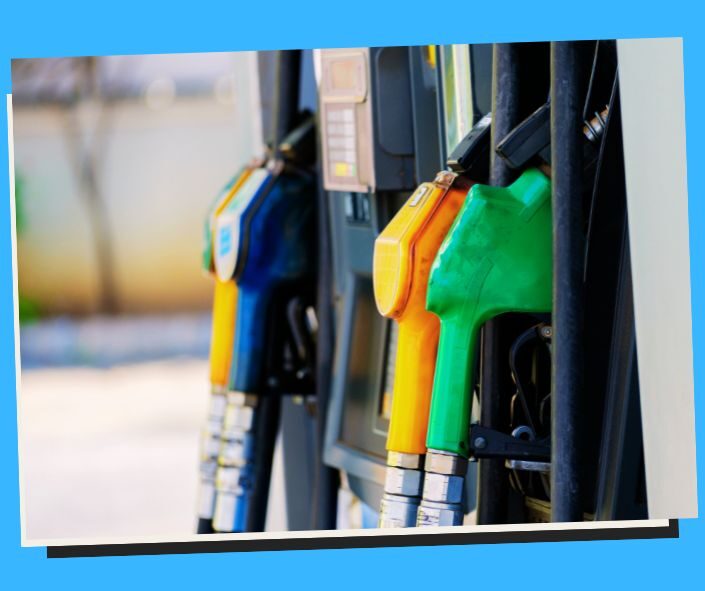
What Are the Different Types of Fuel Used in the Philippines? A Complete Guide
Learn about the different types of liquid and gaseous fuels sold at Philippine gas stations and markets, including unleaded gasoline, biodiesel, LPG, and kerosene.
Fuel Basic Information
Fuel is the lifeblood of modern transportation, industry, and daily domestic life in the Philippines. From the bustling jeepneys and UV Express vans along EDSA to fishing boats in the Visayas and power generators in provincial off-grid areas, liquid and gaseous fuels keep the Philippine economy moving. ⛽
The Philippine downstream oil industry is monitored and regulated by the Department of Energy (DOE) through the Oil Industry Management Bureau (OIMB). Under Republic Act No. 8479 (the Downstream Oil Industry Deregulation Act of 1998) and Republic Act No. 9367 (the Biofuels Act of 2006), local fuels must adhere to strict Philippine National Standards (PNS). For instance, all commercial pump gasoline sold across the country is blended with at least 10% bioethanol (E10), while automotive diesel is blended with Coconut Methyl Ester (CME) biodiesel.
Understanding the specific characteristics, octane ratings, cetane numbers, and primary uses of each fuel type helps Filipinos make informed purchasing decisions, protect their vehicle engines, maintain household safety, and manage daily expenses effectively.
This guide applies to:
- Private car owners and motorcycle riders selecting the right fuel grade at the pump.
- Public Utility Vehicle (PUV) drivers managing daily operational costs.
- Homeowners and households purchasing LPG cylinders for daily cooking.
- Small business operators running diesel generators, delivery fleets, or food stalls.
- Farmers and fisherfolk using fuel for agricultural machinery and motorized bangkas.
Requirements
When purchasing, storing, or handling various fuels in the Philippines, make sure you have the necessary items and safety setups ready:
- Vehicle Owner’s Manual
Always consult your car or motorcycle manufacturer’s handbook to check the recommended minimum Research Octane Number (RON) for gasoline or Cetane Number for diesel.
- DOE-Certified Fuel Containers
If buying emergency fuel for generators or equipment, use approved heavy-duty plastic or metal jerry cans. Philippine gas stations prohibit dispensing fuel into flimsy single-use plastic bottles or milk jugs for safety reasons.
- Standardized LPG Cylinder and Regulator
Ensure your household LPG tank complies with the LPG Industry Regulation Act (Republic Act No. 11592). Look for the official Philippine Standard (PS) or Import Commodity Clearance (ICC) safety mark on the cylinder collar.
- Well-Ventilated Storage Area
Store all liquid fuels, kerosene, and gas cylinders in cool, well-ventilated areas away from direct sunlight, open flames, electrical switches, and living quarters.
- Approved Fire Extinguisher
Keep a dry chemical (Class B/C) fire extinguisher readily accessible near cooking stations, fuel storage sheds, or commercial workshops.
Step-by-Step Guide
Follow these practical steps to identify, select, and handle the correct type of fuel for your vehicle or household needs in the Philippines:
Step 1: Identify Your Vehicle or Equipment Fuel System
Check your vehicle’s fuel filler door, instrument cluster, or engine bay label. Determine whether your engine runs on regular unleaded gasoline, premium high-octane gasoline, or automotive diesel.
Step 2: Understand Gasoline Octane Ratings (RON)
Gasoline sold at Philippine gas stations (such as Petron, Shell, Caltex, Seaoil, Unioil, Phoenix, and Jetti) is categorized by its Research Octane Number (RON):
Regular Unleaded (91 RON): Standard gasoline designed for everyday sedans, small hatchbacks, utility motorcycles, and carbureted engines.
Premium Unleaded (95 RON): High-grade fuel designed for modern fuel-injected cars, crossovers, MPVs, and higher-compression motorcycles.
High-Performance Premium (97 to 100 RON): Specialty high-octane fuels (e.g., Petron Blaze 100 or Shell V-Power Racing) formulated for sports cars, turbocharged engines, and high-compression luxury vehicles.
Step 3: Select the Appropriate Diesel Fuel Grade
Automotive Diesel Oil (ADO): Standard pump diesel blended with Coconut Methyl Ester (CME) biodiesel. Designed for SUVs, pickup trucks, passenger vans, jeepneys, buses, and light trucks.
Premium Diesel: Formulated with specialized cleaning additives and higher cetane ratings for improved combustion, reduced engine noise, and cleaner injector performance in modern Common Rail Direct Injection (CRDI) diesel engines.
Industrial Diesel Oil (IDO): Heavy diesel fuel formulated for industrial boilers, stationary generators, agricultural machinery, and marine vessels.
Step 4: Choose the Right Liquefied Petroleum Gas (LPG) for Cooking
For household cooking, choose standard 11-kilogram LPG cylinders from licensed brand dealers (such as Solane, Petron Gasul, Fiesta Gas, or Brent Gas). Always inspect the safety seal on the valve before installation.
Step 5: Identify Household Kerosene and Small Engine Fuels
Kerosene (Gaas): Used for traditional cooking stoves, pressure lanterns, and as a cleaning solvent in industrial workshops.
Aviation and Specialty Fuels: High-purity fuels restricted to commercial aircraft (Jet A-1) and light piston-engine aircraft (AvGas).
Step 6: Practice Safe Refueling Habits at the Station
Turn off your engine, refrain from smoking, avoid using mobile phones while standing near the pump nozzle, and ensure the pump meter resets to zero before refueling begins.
Step 7: Check Fuel Quality and Avoid Unlicensed Sellers
Buy fuel exclusively from DOE-registered gas stations. Avoid purchasing bootlegged or diluted liquid fuel sold in glass soda bottles along rural roadsides, as contaminated fuel ruins fuel injectors and carburetors.
Step 8: Store Emergency Generator Fuel Safely
If storing diesel or gasoline for brownout backup generators, add a fuel stabilizer if the fuel will sit unused for longer than three months to prevent gum deposits and water condensation.
Step 9: Inspect LPG Regulators and Hoses Periodically
Replace rubber LPG hoses every three years and pressure regulators every five years to prevent gas leaks and accidental kitchen fires.
Step 10: Dispose of Used Fuel and Chemical Solvents Responsibly
Never pour old gasoline, dirty diesel, or contaminated kerosene into municipal gutters, rivers, or open soil. Hand over waste fuels to accredited hazardous waste collectors or auto service centers. 🚗
Benefits
- Optimal Engine Performance and Longevity
Using the manufacturer-recommended fuel type prevents engine knocking, pre-ignition damage, and premature carbon buildup on fuel injectors.
- Maximum Fuel Efficiency and Mileage
Selecting the correct fuel grade ensures complete combustion, giving you maximum kilometers per liter on long Philippine drives.
- Reduced Toxic Exhaust Emissions
Philippine bio-blended fuels (E10 gasoline and CME biodiesel) burn cleaner, reducing harmful emissions in urban centers.
- Enhanced Household Cooking Safety
Using certified LPG cylinders with proper safety valves minimizes the risk of accidental gas leaks, flashes, and house fires.
- Reliable Emergency Power
Matching the correct diesel or gasoline grade to your home or business generator guarantees smooth operation during power outages.
- Cost Optimization
Avoiding unnecessarily high-octane fuels when your owner’s manual specifies standard 91 RON saves thousands of pesos annually at the pump.
- Protection of Sensitive CRDI Diesel Systems
Clean, additive-treated premium diesel protects high-pressure common rail fuel rails and injectors from premature wear.
- Broad Nationwide Availability
Major petroleum products are widely accessible across highway stations, city centers, and island provinces nationwide.
- Full Regulatory Quality Assurance
DOE quality standards ensure that legitimate fuel retail stations supply consistent, unadulterated fuel volumes.
- Support for Domestic Agriculture
Coconut-derived biodiesel (CME) supports local coconut farmers while reducing national dependence on imported crude oil.
Pros
- Diverse fuel options catering to budget-conscious commuters and high-performance drivers alike.
- Stringent Philippine National Standards (PNS) enforce baseline fuel purity and performance.
- Biofuel mandate laws promote cleaner combustion and local agricultural integration.
- Highly competitive retail market offers frequent fuel loyalty card discounts and rewards.
- Modern LPG cylinders feature advanced safety valve designs and tamper-evident seals.
- Widespread availability of rapid, professional gas station services across all major islands.
- Transparent weekly price tracking monitored directly by the Department of Energy.
- High energy density of diesel fuel makes it cost-effective for heavy transport and logistics.
- Expanding availability of Auto-LPG as an economical alternative fuel for taxi fleets.
- Comprehensive consumer protection laws safeguard buyers against under-filled gas cylinders.
Cons
- Domestic fuel prices are highly vulnerable to global crude oil market volatility.
- High excise taxes under the TRAIN Law add significant per-liter costs to commercial fuels.
- Ethanol-blended gasoline (E10) can absorb atmospheric moisture if left sitting in unused tanks for long periods.
- Incorrect fuel selection (e.g., misfueling diesel into a gasoline engine) causes severe mechanical damage.
- Illegal roadside fuel vendors selling unverified fuel in glass bottles pose serious engine contamination risks.
- Substandard or counterfeit LPG cylinders still circulate in some informal provincial markets.
- High traffic congestion in Metro Manila increases overall fuel consumption regardless of fuel efficiency.
- EV charging infrastructure is still developing, leaving liquid fossil fuels as the primary choice for long-distance travel.
- Heavy marine diesel and industrial fuel oils generate soot if combustion equipment is poorly maintained.
- Kerosene can pose health risks if burned in unventilated indoor spaces without proper chimneys.
Common Mistakes to Avoid
- Wasting Money on 100 Octane Fuel for Standard Commuter Engines
Assuming higher octane gives more power to every engine. Standard commuter engines designed for 91 RON derive zero extra performance from expensive 100 RON gasoline.
- Misfueling Gasoline into a Diesel Vehicle (or Vice Versa)
Failing to double-check pump nozzles. Putting gasoline in a CRDI diesel engine damages fuel pumps and injectors, resulting in expensive towing and repair bills.
- Buying Unlicensed “Botelya” Gasoline on Rural Roadsides
Purchasing fuel sold in soda bottles along provincial highways. This fuel is frequently contaminated with dirt, water, or kerosene, which ruins carburetors and fuel pumps.
- Using Damaged or Expired Household LPG Regulators
Reusing cracked rubber hoses or worn regulators on cooking cylinders leads to hazardous gas leaks and potential fires.
- Storing Gasoline in Thin Plastic Water Containers
Storing fuel in non-approved plastic jugs causes the fuel to dissolve the plastic over time, contaminating the liquid and creating severe fire risks.
- Ignoring Engine Knocking Sounds
Ignoring persistent metallic pinging sounds under heavy acceleration. This indicates low-octane fuel pre-ignition, which can crack engine pistons.
- Leaving E10 Gasoline Sitting in Idle Vehicles for Months
Leaving ethanol-blended gasoline in parked motorcycles or cars for extended periods leads to phase separation and water accumulation inside the tank.
- Purchasing Uncertified LPG Cylinders Without Safety Seals
Buying cheap, unbranded cooking gas tanks from unregistered haulers risks receiving underfilled or structurally compromised cylinders.
- Transporting LPG Tanks Horizontally in Vehicle Trunks
Transporting cooking gas cylinders on their sides allows liquid gas to leak through the relief valve. Always keep LPG cylinders upright and secured during transport.
- Overfilling Portable Generator Fuel Tanks
Filling generator fuel tanks to the absolute brim without leaving expansion space. Thermal expansion in hot weather can cause fuel to overflow onto hot engine parts.
Costing and Budget
Fuel prices in the Philippines fluctuate weekly based on international crude oil benchmark movements (MOPS), foreign exchange rates, and transport logistics.
Prevailing retail price ranges across Metro Manila and major provinces generally reflect the following structure:
- Regular Unleaded Gasoline (91 RON)
Everyday motor fuel for standard passenger cars and motorcycles.
Estimated Price: PHP 55.00 to PHP 65.00 per liter
- Premium Unleaded Gasoline (95 to 97 RON)
Formulated for high-compression engines, modern crossovers, and sports sedans.
Estimated Price: PHP 60.00 to PHP 72.00 per liter
- High-Performance Gasoline (100 RON)
Specialty high-octane racing fuel for sports cars and high-performance vehicles.
Estimated Price: PHP 70.00 to PHP 82.00 per liter
- Automotive Diesel Oil (ADO)
Standard diesel fuel for SUVs, pickup trucks, utility vans, and PUVs.
Estimated Price: PHP 52.00 to PHP 62.00 per liter
- Premium Diesel
Enhanced diesel with advanced detergency additives and higher cetane ratings.
Estimated Price: PHP 56.00 to PHP 67.00 per liter
- Household LPG (11-Kilogram Cylinder)
Standard cooking gas cylinder used in Filipino homes.
Estimated Price: PHP 850.00 to PHP 1,100.00 per full tank refill
- Household Kerosene
Used for traditional cooking stoves, lighting, and industrial cleaning.
Estimated Price: PHP 65.00 to PHP 78.00 per liter
Ways to Measure Success
- Correct Fuel Grade Consistently Selected
Your vehicle runs smoothly on its manufacturer-recommended fuel grade without engine knocking or hesitations.
- Engine Mileage Optimized
You achieve optimal fuel consumption (kilometers per liter) matching factory performance estimates.
- Zero Misfueling Incidents
Your driver or household members correctly identify fuel types at the station, avoiding fuel contamination.
- Smooth Engine Idling and Acceleration
Your car or motorcycle starts effortlessly and accelerates cleanly without hesitation or black exhaust smoke.
- Safe Household LPG Operation
Your kitchen stove operates with a clean blue flame without chemical smells or gas pressure drops.
- Long Generator Operating Lifespan
Your emergency backup generator starts reliably during power outages without carburetor clogging.
- Full Utility from Fuel Loyalty Programs
You maximize savings by earning points and fuel discounts through local petroleum reward cards.
- Complete Compliance with DOE LPG Safety Laws
Your home cooking setup features official, unexpired, and PS-certified gas cylinders.
- Lower Long-Term Engine Repair Bills
Proper fuel selection prevents premature fuel pump failure, injector clogging, and engine valve damage.
- Clean Emission Inspection Results
Your vehicle easily passes the annual LTO Private Motor Vehicle Inspection Center (PMVIC) emission test.
Case Studies and Examples
- Hypothetical Example 1: BPO Commuter in Quezon City
Mark drives a 1.2-liter hatchback for his daily commute along Commonwealth Avenue. His vehicle manual specifies 91 RON gasoline. By sticking to 91 RON Regular Unleaded instead of buying expensive 100 RON racing fuel, he saves over PHP 800.00 per month while maintaining optimal engine efficiency.
- Hypothetical Example 2: Pickup Truck Owner in Pampanga
Ramon owns a modern CRDI pickup truck used for delivering agricultural goods. He consistently uses Premium Diesel treated with cleaning additives. His fuel injectors remain free of carbon deposits, giving him smooth power delivery on steep mountain roads.
- Hypothetical Example 3: Household Cook in Cebu City
Elena manages a household kitchen in Cebu. She buys official 11-kg Solane LPG tanks from an authorized dealer, ensuring the safety seal is intact. Her stove burns a clean blue flame, lasting her family of five over six weeks of daily cooking.
- Hypothetical Example 4: Utility Motorcycle Rider in Davao
Jay-R uses a 125cc motorcycle for delivery services. He refuels exclusively at registered, brightly lit gas stations, avoiding unverified roadside gasoline sold in glass bottles. His engine runs cleanly without carburetor clogging.
- Hypothetical Example 5: Small Resort Owner in Palawan
Lorna operates a small beach resort in an off-grid area of Palawan. She uses Industrial Diesel Oil (IDO) for her main generator and stores emergency diesel in heavy-duty metal jerry cans treated with fuel stabilizer, keeping her electrical supply reliable during tourist season.
- Hypothetical Example 6: Taxi Fleet Operator in Metro Manila
Carlos manages a fleet of 15 taxi sedans. He converted his fleet to Auto-LPG systems, cutting his daily fuel expenses by nearly 25% compared to regular gasoline while maintaining smooth engine operation.
- Hypothetical Example 7: Car Enthusiast in Makati
Joshua owns a turbocharged sports car that requires a minimum of 97 RON. He fuels up exclusively with 100 RON high-octane gasoline, preventing engine knocking under high-speed highway driving.
- Hypothetical Example 8: Carinderia Owner in Laguna
Ate Rose runs a busy eatery near an industrial park. She uses two 11-kg LPG tanks fitted with automatic changeover regulators, ensuring her cooking burners never lose gas pressure during peak lunch hours.
- Hypothetical Example 9: Island Fisherman in Bohol
Mang Pedro uses a small diesel-powered motorized bangka for daily fishing trips. He buys clean diesel directly from a coastal retail station, keeping his fuel filter free from water contamination out at sea.
- Hypothetical Example 10: First-Time Car Owner in Iloilo
Sarah recently bought her first crossover vehicle. By reading her owner’s manual and understanding the difference between 91 RON and 95 RON, she refuels confidently at her local station without falling for sales confusion at the pump.
Key Takeaways
- Commercial gasoline in the Philippines is categorized by Octane Rating (91, 95, 97, and 100 RON).
- All commercial Philippine gasoline is legally blended with 10% bioethanol (E10) under the Biofuels Act.
- Automotive diesel is blended with Coconut Methyl Ester (CME) biodiesel to reduce emissions and improve lubrication.
- Always choose the gasoline octane rating specified in your vehicle manufacturer’s manual.
- Premium high-octane fuels do not add extra power to standard, low-compression commuter engines.
- Household LPG is a mixture of propane and butane gas stored under pressure in heavy steel cylinders.
- Buy liquid fuels exclusively from DOE-registered retail stations to avoid contaminated or diluted products.
- Ensure household LPG cylinders feature official PS or ICC safety marks and intact valve seals.
- Misfueling causes severe mechanical damage; always double-check the pump nozzle before refueling.
- Weekly fuel prices fluctuate based on international crude oil benchmarks and local market forces.
Frequently Asked Questions
- What is the difference between 91 RON and 95 RON gasoline in the Philippines?
91 RON is standard unleaded gasoline suitable for most regular commuter engines, while 95 RON is premium gasoline formulated for higher-compression or turbocharged engines to prevent knocking.
- Does using higher octane fuel make my car faster?
No. Higher octane fuel resists premature detonation under high compression. Unless your engine is specifically tuned or designed for high octane, using higher RON gasoline will not increase horsepower or speed.
- Why does Philippine gasoline contain bioethanol?
Under Republic Act No. 9367 (Biofuels Act of 2006), all gasoline sold in the Philippines is blended with 10% bioethanol (E10) to reduce harmful exhaust emissions and decrease crude oil imports.
- What is CME in Philippine diesel?
CME stands for Coconut Methyl Ester, a locally produced biodiesel additive made from coconut oil. It improves diesel lubrication, cleans injectors, and reduces exhaust soot.
- Can I mix 91 RON and 95 RON gasoline in my tank?
Yes. Mixing different octane grades of gasoline will not damage your engine. The resulting mixture will simply have an average octane rating between the two grades.
- What should I do if I accidentally put gasoline in my diesel car?
Do not start the engine. Turning the ignition circulates gasoline through the high-pressure diesel fuel system, causing severe pump and injector damage. Have the vehicle towed immediately to a service shop to drain the tank.
- How long does an 11-kg LPG cylinder last for a typical Filipino family?
An 11-kg LPG cylinder typically lasts 4 to 6 weeks for a standard family of four to five cooking twice daily.
- Why is LPG gas odorless, and why does my tank smell when there is a leak?
Pure LPG is naturally odorless. Gas distributors add an odorant called Ethyl Mercaptan, which gives off a distinct rotten-egg smell so users can instantly detect leaks.
- Is it safe to buy gasoline sold in glass soda bottles along rural roads?
No. Roadside “botelya” fuel is often unverified, improperly stored, and frequently contaminated with dirt, water, or kerosene, which ruins fuel pumps and carburetors.
- Where can I check official weekly fuel price updates in the Philippines?
You can check official weekly price advisories published directly on the Department of Energy (DOE) website (doe.gov.ph) or through major national news outlets.
Conclusion
Understanding the different types of fuel available in the Philippines allows you to make smarter, safer, and more economical choices for your vehicles, home, and business. Whether you are choosing between 91 and 95 RON gasoline at the pump, picking premium diesel for your SUV, or inspecting a new LPG cylinder for your kitchen, knowledge of fuel standards protects your investments. 🌟
By following manufacturer specifications, buying exclusively from accredited DOE retail stations, and prioritizing safety during storage and handling, you ensure optimal performance, keep your family safe, and stretch your hard-earned pesos further. Drive safely, cook responsibly, and stay informed on the road!
External Resources
- Department of Energy (DOE) Downstream Oil Industry Management Bureau
- Department of Energy (DOE) Retail Pump Prices
- Official GOV.PH Portal
- Department of Trade and Industry (DTI) Bureau of Philippine Standards
- Land Transportation Office (LTO) Official Portal
Key Phrases
- different types of fuel sold in the philippines
- gasoline octane rating comparison 91 vs 95 RON ph
- automotive diesel vs premium diesel philippines
- household lpg gas cylinder safety guide philippines
- e10 bioethanol gasoline law philippines
- coconut methyl ester cme biodiesel philippines
- doe monitored retail pump prices philippines
- choosing correct fuel for car and motorcycle ph
- kerosene usage and safety precautions philippines
- avoid misfueling gasoline in diesel engine philippines
Best Hashtags
#FuelTypesPH #PhilippineGasoline #Petron #ShellPH #CaltexPH #Seaoil #HowToPhilippines #DriveSafePH #DOEPhilippines #LPGSafetyPH
Disclaimer
The information is for educational purposes only and subject to change, and it is highly recommended to consult local authorities for the latest and most accurate updates. We do not constitute endorsement of any specific technologies or methodologies or endorse of any specific products or services. For queries, questions, corrections, or updates, please send us a message through our Contact Us page. We welcome feedback to ensure our guides remain accurate, updated, and helpful for everyone