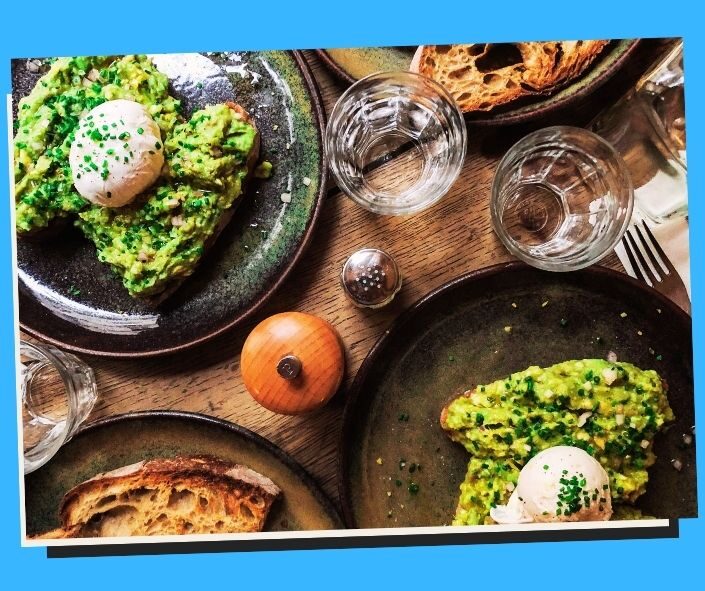
Master Filipino Food Art with Native Herbs and Flowers
Transform classic Pinoy dishes into works of art. Learn the secrets of using blue ternate, katmon, and native herbs for stunning, modern Filipino presentation.
How to Master Modern Filipino Plating with Edible Flowers and Indigenous Herbs
Have you ever scrolled through social media and stopped at a photo of a Filipino dish that looked almost too beautiful to eat? Maybe it was a Kinilaw adorned with vibrant purple petals or a Sinigang served in a way that looked like a forest landscape. This is the world of modern Filipino plating, a movement that is currently sweeping through the kitchens of Metro Manila, Cebu, and Davao.
This topic matters because we are in a golden age of Philippine gastronomy. With the arrival of global culinary recognitions like the Michelin Guide in 2026, Filipino food is no longer just about “masarap” (delicious); it is about “maganda” (beautiful). Mastering these techniques allows home cooks and restaurant owners alike to honor our heritage while embracing world-class aesthetics.
This article is for aspiring Filipino chefs, culinary students, “foodie” entrepreneurs, and anyone who believes that our humble Pinoy ingredients deserve a place on the finest plates in the world.
Philippine Context
Plating in the Philippines has historically been about abundance: think of the overflowing “bilao” or the communal “kamayan” feast. While these traditions remain beloved, a new generation of chefs is focusing on “minimalist” and “nature-inspired” presentation.
Culturally, we have always used plants for more than just food; we use them for healing and decoration. Economically, using indigenous herbs and flowers is a “locavore” value that supports Filipino farmers and promotes sustainability. Whether you are in the highlands of Cordillera using fresh mountain herbs or in the coastal towns of Visayas using seaside blooms, the goal is the same: to tell a story of our land through the plate.
Step-by-Step Guide to Modern Filipino Plating
1. Choose Your “Native” Palette Start by selecting edible flowers and herbs that are indigenous to or commonly grown in the Philippines.
- Blue Ternate (Butterfly Pea): Offers a stunning deep blue or purple.
- Katmon: A native fruit with beautiful white flowers and a sour profile.
- Moringa (Malunggay) Flowers: Delicate white blossoms with a subtle, sweet herbal taste.
- Hibiscus (Gumamela): Use the petals for a tart, cranberry-like flavor.
- Indigenous Herbs: Use Wansoy (Coriander), Tanglad (Lemongrass) shoots, or Alugbati (Malabar Spinach) tips for greenery.
2. Prep and Safety Check Not every flower in your garden is edible. Ensure they are grown without pesticides.
- Wash gently: Dip them in a bowl of cold water; do not use a high-pressure faucet.
- Remove bitter parts: For flowers like Hibiscus or Roses, remove the bitter white base of the petals.
- Check for guests: Inspect the centers for small insects.
3. The “Landscape” Plating Technique Instead of placing the main protein in the dead center, try the “rule of thirds.”
- Place your main component (like a piece of Adobo or grilled fish) slightly off-center.
- Use a “puree” of a native vegetable (like Kalabasa or Kamote) to create a “swipe” or a “pool” of color.
4. Strategic Placement of Flora Garnish should never be random.
- Use small tweezers to place flowers where they naturally complement the colors of the food.
- Pair “sour” flowers (like Begonias or Hibiscus) with rich, fatty meats to cut through the oiliness.
5. Height and Texture Use indigenous herbs to add verticality. A crispy-fried Malunggay leaf or a curled stalk of Tanglad can add the height that professional plating requires.
Requirements and Documents Needed:
- Precision plating tweezers (available in local kitchen supply stores).
- A reputable source of edible flowers (check local organic markets like Salcedo or Sidcor).
- Sanitized containers for storage.
Estimated Processing Time:
- Prep time: 15 to 30 minutes for cleaning and sorting.
- Plating time: 2 to 5 minutes per dish (to keep the food hot).
Common Mistakes to Avoid:
- Overcrowding: If you can’t see the food because of the flowers, you’ve gone too far.
- Using non-edible garnishes: Never put something on the plate that the guest cannot safely eat.
- Clashing flavors: Don’t put a peppery Nasturtium on a delicate, sweet Leche Flan.
Cost Breakdown
Mastering this art does not have to be expensive if you know where to look.
- Assorted Edible Flowers (20g to 40g pack): PHP 90 to PHP 300.
- Fresh Native Herbs (50g pack): PHP 25 to PHP 70 (Wansoy, Basil, Mint).
- Indigenous Fruit Accents (Katmon/Batuan): PHP 50 to PHP 150 per kilo depending on the season.
- Plating Tweezers: PHP 150 to PHP 500 (one-time investment).
- Optional/Hidden Costs: Delivery fees from organic farms (PHP 100 to PHP 200) and specialized refrigerated storage to keep blooms fresh.
10 Benefits of Modern Filipino Plating
- Higher Perceived Value: People are willing to pay more for a dish that looks like a masterpiece.
- Social Media Appeal: “Instagrammable” food is the best free marketing for any food business.
- Heritage Promotion: Using native herbs like Katmon or Kalingag educates diners about Filipino biodiversity.
- Enhanced Flavor Profiles: Many edible flowers add unique sour, peppery, or sweet notes.
- Sustainability: Sourcing locally reduces the carbon footprint of your kitchen.
- Support for Farmers: You help create a market for specialized Philippine organic produce.
- Creative Satisfaction: It allows chefs to express their artistic side.
- Health Benefits: Many indigenous herbs and flowers (like Malunggay) are packed with antioxidants.
- Competitive Edge: Stand out in a crowded market of traditional “carinderia” style presentations.
- Cultural Pride: Showing that Pinoy food can be as elegant as French or Japanese cuisine.
Pros and Cons
Pros:
- Instantly elevates the dining experience
- Promotes local and indigenous ingredients
- Adds fresh, vibrant colors to the plate
- Encourages mindful, artistic cooking
- Perfect for fine-dining “pop-ups” or special events
- Low calorie way to add flavor and texture
- Deepens the connection between the plate and the land
- Makes simple dishes (like Lugaw) look luxurious
- Can be a USP (Unique Selling Proposition) for a new restaurant
- Growing availability in local supermarkets
Cons:
- Edible flowers have a very short shelf life (2 to 3 days)
- Sourcing can be inconsistent depending on the weather
- High cost per gram compared to regular vegetables
- Risk of allergic reactions for some diners (pollen)
- Requires extra time and labor during service
- Delicate blooms can wilt quickly under hot heat lamps
- Not all flowers in the Philippines are safe (e.g., Angel’s Trumpet)
- Can be seen as “pretentious” by traditional diners
- Requires precision and training to do well
- Potential for “food waste” if flowers are not consumed
Real-Life Filipino Examples
1. The “Blue” Rice Surprise
A small resort in Palawan started served “Blue Ternate Rice” garnished with fresh white Moringa flowers. The contrast of the deep blue rice and the snowy white blossoms became their most photographed dish.
Lesson learned: Color contrast is a powerful tool in modern plating.
2. The Elevated Kinilaw
A chef in Iloilo used Katmon slices and Begonia petals to add acidity to their Tanigue Kinilaw instead of just using calamansi. The pink petals signaled the “sourness” to the diner before they even took a bite.
Lesson learned: Visual cues should match the flavor profile.
3. The Modern Sinigang “Deconstructed”
A restaurant in Makati served Sinigang broth in a teapot, pouring it over a plate of perfectly seared pork belly garnished with crispy Alugbati leaves and Katuray (corkwood) flowers.
Lesson learned: Interactive plating creates a memorable “moment” for the diner.
FAQs
- Where can I buy edible flowers in the Philippines?
- Look for brands like Gourmet Farms in SM Markets or specialized organic sellers like Pedro Farms online.
- Can I use the Gumamela from my garden?
- Only if you are 100% sure no chemical pesticides or fertilizers were used nearby.
- Are Malunggay flowers really edible?
- Yes, they have a mild flavor and are often used in traditional soups, but they look beautiful as a fresh garnish too.
- How do I keep flowers fresh?
- Keep them in an airtight container with a damp paper towel in the warmest part of your fridge.
- What is the most popular flower for plating?
- Blue Ternate (Butterfly Pea) is currently the most popular because of its striking color.
- Can I use dried flowers?
- Yes, dried Blue Ternate or Hibiscus can be used for infusions or as a textured “dust” on plates.
- Do I need to tell customers they can eat the flowers?
- Yes, it is good practice to mention that the garnish is edible and part of the flavor experience.
- What herb is best for a “modern” look?
- Micro-greens of native herbs like Wansoy or even young Pako (fern) tips provide a sophisticated look.
- Is this only for expensive restaurants?
- Not at all. Home cooks can use these techniques to make Sunday family dinners feel special.
- What is the “Rule of Thirds” in plating?
- It is a composition rule where you divide the plate into a grid and place the main elements at the intersections rather than the center.
Practical Tips
- Insider Tip: Use a “chilled plate” for cold dishes like Kinilaw or Ensalada to prevent your edible flowers from wilting the moment they touch the surface.
- Budget-Saving Tip: Start an “edible garden” in your balcony or backyard. Blue Ternate and Malunggay are very easy to grow in the Philippine climate.
- Time-Saving Advice: Prep your garnishes during “mise-en-place” (before service) and keep them organized in a partitioned container so you can grab them quickly.
- Safety Reminder: When in doubt, leave it out. If you cannot identify a flower with 100% certainty using its scientific name, do not serve it.
Conclusion
Mastering modern Filipino plating with edible flowers and indigenous herbs is more than just a culinary skill; it is an act of love for our culture. By taking the time to arrange a plate with intention and using the gifts of our own soil, we elevate the Filipino identity one bite at a time.
Don’t be afraid to experiment. Start with a single Blue Ternate flower on your morning rice or a sprig of fresh Wansoy on your Sinigang. The journey to becoming a master of the modern Filipino plate begins with seeing the beauty in our own backyard. Ang galing ng Pinoy, simulan sa ating hapag-kainan!
Link Resources
- Department of Agriculture (DA) – Guide to Edible Plants
- Philippine International Trading Corporation (PITAHC) – Directory of Herbs
- Department of Science and Technology (DOST) – Food and Nutrition Research Institute
- Go Negosyo – Culinary Entrepreneurship Resources
- Michelin Guide – Philippine Gastronomy Trends
Key Phrases
- Modern Filipino food presentation
- Edible flowers Philippines guide
- Indigenous herbs for Pinoy cooking
- How to plate Filipino food like a pro
- Blue Ternate culinary uses
- Katmon fruit plating ideas
- Native Philippine garnishes 2026
- Filipino fine dining plating techniques
- Sourcing edible flowers in Manila
- Modernizing traditional Filipino dishes
Best Hashtags
#howPhilippines #ModernFilipinoCuisine #EdibleFlowersPH #PinoyChef #FoodPlating #IndigenousHerbs #FilipinoGastronomy #SupportLocalPH #ChefLifePH #CulinaryArtPH
Disclaimer
The information is for educational purposes only and subject to change, and it is highly recommended to consult local authorities for the latest and most accurate updates. We do not constitute endorsement of any specific technologies or methodologies or endorse of any specific products or services. For queries, questions, corrections, or updates, please send us a message through our Contact Us page. We welcome feedback to ensure our guides remain accurate, updated, and helpful for everyone