How Filipinos Show Respect to Elders
Discover the beautiful traditions of “Pagmamano” and the use of “Po” and “Opo”. Learn how Filipinos maintain deep respect for elders in a digital age.
How Filipinos Show Respect to Elders
The Philippines remains a society where age is synonymous with wisdom and authority. While technology has accelerated the pace of life, the cultural “anchor” of Paggalang (Respect) for the elderly remains unshakeable. To a Filipino, showing respect to an elder isn’t just a polite suggestion, it is a fundamental duty that defines one’s character (Pagkatao).
Whether it’s the physical touch of the Mano Po or the subtle linguistic dance of “Po” and “Opo,” these traditions serve as the social glue that keeps the multi-generational Filipino family intact. This guide explores how these ancient gestures of honor are being preserved and practiced in the modern, digital landscape of 2026.
Philippine Family Values
The 2026 cultural landscape is protected by the Filipino Family Values Act, which encourages the integration of traditional respect markers in early education. Furthermore, the National Commission of Senior Citizens (NCSC) has launched the 2026 “Lolo/Lola First” initiative, ensuring that respect for elders translates into practical social benefits, such as priority seating in the newly modernized public transport systems and digital literacy programs led by the youth.
1. The “Mano Po” (The Honored Touch)
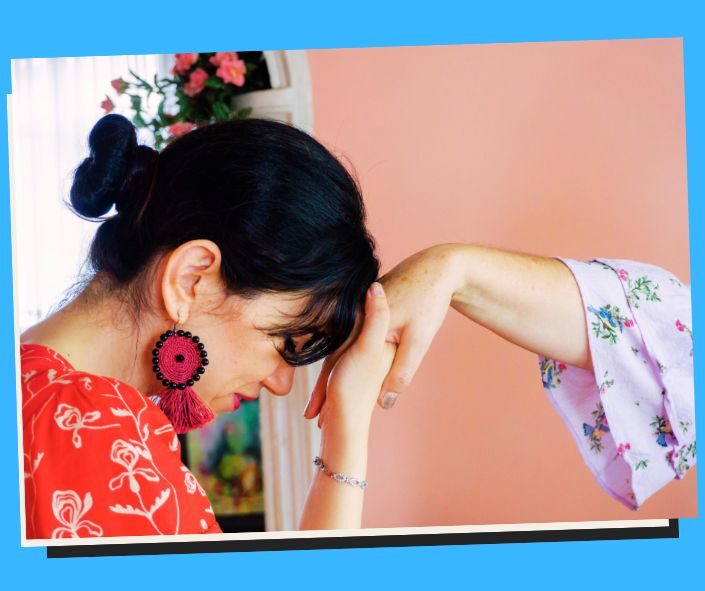
The most iconic symbol of Filipino respect is the Pagmamano.
- The Gesture: A younger person takes the back of an elder’s hand and gently presses it against their own forehead.
- The Meaning: It is a request for a blessing (Mano comes from the Spanish word for hand, and Po is a term of respect).
- 2026 Practice: While the pandemic briefly introduced “air-mano,” the physical touch has returned as the gold standard for greetings at family reunions and church gatherings.
2. Linguistic Respect: “Po” and “Opo”
Filipino is one of the few languages with built-in “honorific particles” that instantly elevate the tone of a conversation.
- “Po”: Inserted into sentences to show respect (e.g., “Salamat po” instead of just “Salamat”).
- “Opo”: The respectful version of “Yes” (Oo).
- Modern Usage: In 2026, even in English-dominant corporate settings or “Jeepney” group chats, younger Filipinos frequently interject “Po” to maintain a respectful distance and tone with senior colleagues.
3. Titles and Addressing
Filipinos rarely call elders by their first names. They use familial titles even for strangers:
- Family: Lolo (Grandfather), Lola (Grandmother), Tito (Uncle), Tita (Aunt).
- General Public: Kuya (Big Brother) or Ate (Big Sister) for those slightly older; Manong or Manang for much older individuals.
- Professional: Using “Sir” or “Ma’am” is standard, often followed by “Po.”
Pros and Cons of Traditional Filipino Respect Culture
| Pros | Cons |
| Social Harmony: Reduces friction in families and communities through clear social hierarchies. | Authority Bias: Can sometimes lead to “blind obedience,” where younger people are afraid to correct an elder’s mistake. |
| Elderly Wellbeing: Seniors feel valued and integrated, leading to lower rates of loneliness and depression. | Communication Barriers: The high level of respect can prevent open, honest dialogue about sensitive topics. |
| Cultural Identity: Acts as a powerful “anchor” that keeps Filipinos connected to their roots, even abroad. | Pressure on Youth: Constant “blessing” and “po/opo” can feel performative or burdensome to modern Gen Alpha. |
| Hospitality: The culture of respect extends to guests, making the Philippines a welcoming destination. | Delayed Innovation: In business, “seniority” can sometimes trump “merit,” slowing down new ideas. |
| Discipline: Teaches children from a young age the value of humility and patience. | Social Guilt: Deep shame (Hiya) is felt if one is perceived as “disrespectful,” even if by accident. |
| Security: Elders often act as “peacekeepers” in local Barangays due to their respected status. | Gender Roles: Traditional respect often overlaps with outdated views on gender roles within the family. |
| Strong Support System: Ensures that the elderly are cared for at home rather than in isolated facilities. | Financial Burden: The “Sandwich Generation” feels heavy pressure to support retired elders financially. |
| Linguistic Richness: Adds a layer of nuance and warmth to the Filipino language. | Conflict Avoidance: Issues are often left unaddressed to avoid “disrespecting” a senior family member. |
| Priority Access: Society naturally gives way to elders in lines and public spaces. | Digital Gap: Respect can turn into frustration when elders struggle with 2026 tech, and youth feel “obligated” to fix it. |
| Legacy: Ensures that family history and traditions are passed down through storytelling. | Expectation Management: Some elders may feel entitled to respect without reciprocating kindness. |
Frequently Asked Questions (FAQs)
- Do you still “Mano” during a pandemic?
- In 2026, the physical Mano has returned, though a respectful bow or a hand-over-heart is an accepted alternative if someone is unwell.
- Is “Po” only for Tagalog speakers?
- No. While the words are Tagalog, most regional Philippine languages have their own versions of honorifics (e.g., Ginoo/Binibini in Cebuano).
- Why do Filipinos call strangers “Ate” or “Kuya”?
- It is a way of “familializing” the community, treating every neighbor as a sibling.
- What if I forget to say “Po”?
- You might be seen as Bastos (rude or ill-mannered), though foreigners are usually given a pass.
- Is it okay to hug an elder instead?
- A hug is fine for close family, but the “Mano” should usually come first as the formal greeting.
- How do Filipinos respect elders in 2026 digital spaces?
- By using “Po” in chats, avoiding “All Caps” (shouting), and patiently explaining new tech features.
- What is “Pagmamano”‘s origin?
- It is a blend of pre-colonial respect for datus/elders and Spanish Catholic influences.
- At what age do you start being an “Elder”?
- Generally, anyone 60+ is a “Senior Citizen,” but respect markers start for anyone even a few years older than you.
- Do Filipinos put their parents in nursing homes?
- It is rare. In 2026, “Home Care” remains the cultural preference, as nursing homes carry a social stigma.
- What is the “First to Eat” rule?
- In Filipino gatherings, the eldest members of the family are always invited to the buffet table first.
Practical Tips
- The “Loud and Clear” Rule: When speaking to elders, maintain a gentle but clear volume. Using “Po” at the end of every sentence is a “cheat code” for being seen as a well-raised person (Mabait).
- Observe the “Space”: When an elder enters the room, stand up. It is a subtle but powerful 2026 signal of respect.
- The “Digital Bridge”: In 2026, showing respect often means being the “Tech Support” for your Lolo/Lola without showing frustration.
- Ask for “Kuwento”: The best way to show respect is to listen. Ask for their stories (Kuwento); it validates their life experiences.
Conclusion
Showing respect to elders in the Philippines in 2026 is a timeless practice of Paggalang. Whether it is through the gentle touch of a hand to the forehead or the simple addition of “Po” to a sentence, these gestures ensure that the Filipino community remains a place where age is honored, and the wisdom of the past is carried into the future.
Link Resources
- National Commission of Senior Citizens (NCSC)
- National Historical Commission of the Philippines (Values)
- DILG Barangay Senior Citizen Affairs
- Official Gazette (Senior Citizens Act)
- UP Diliman Department of Anthropology (Cultural Studies)
Key Phrases
- How Filipinos show respect to elders 2026
- Meaning of Pagmamano in Filipino culture
- Using Po and Opo in 2026 conversation
- Filipino family values and respect for seniors
- Traditional Filipino greetings for grandparents
- Importance of respect in Philippine society
- Modern Filipino etiquette for the elderly
- Addressing elders in Filipino Kuya Ate Lolo Lola
- Paggalang sa nakatatanda significance
- Filipino cultural traditions preserved in 2026
Best Hashtags
#howPhilippines #FilipinoValues #Pagmamano #RespectElders #PinoyCulture #PoAndOpo #FilipinoFamily #Tradition2026 #Paggalang #SeniorCitizensPH
Disclaimer
The information is for educational purposes only and subject to change, and it is highly recommended to consult local authorities for the latest and most accurate updates. We do not constitute endorsement of any specific technologies or methodologies or endorse of any specific products or services. For queries, questions, corrections, or updates, please send us a message through our Contact Us page. We welcome feedback to ensure our guides remain accurate, updated, and helpful for everyone