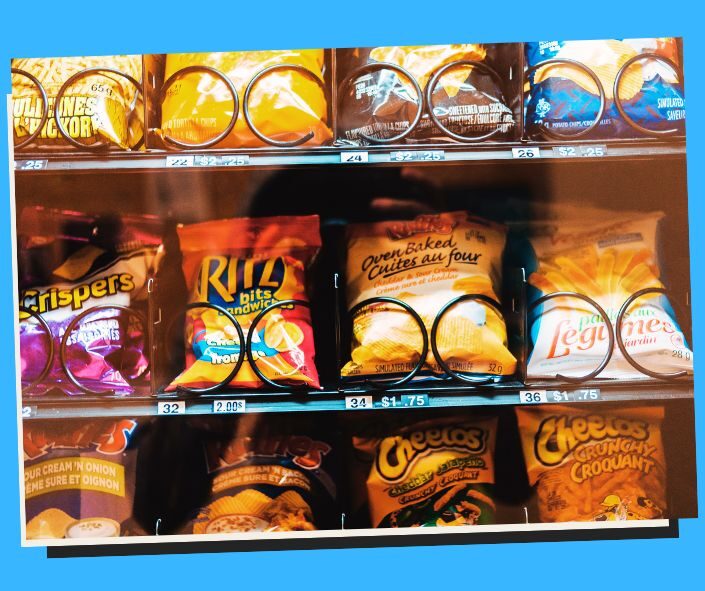
How to Package Food Products in the Philippines
Protect your brand and your customers. Learn the Philippines standards for food-contact articles (FCA), mandatory FDA labeling, and eco-friendly shifts.
How to Package Food Products Properly in the Philippines
Food packaging in the Philippines is no longer just about “wrapping.” It is a high-stakes balance between Food Safety, Legal Compliance, and Environmental Responsibility. With the FDA now strictly monitoring “chemical migration” from plastic to food and the Extended Producer Responsibility (EPR) Act mandating a 60% plastic recovery rate for large brands, your packaging choice can literally make or break your business.
Whether you’re selling artisanal bagoong or mass-produced snacks, your package is your product’s first line of defense. This guide provides the 2026 technical and legal framework to ensure your packaging is as professional as your recipe.
Philippine Package Food Products Properly
The 2026 regulatory landscape is driven by FDA Circular No. 2022-0011 and the Food Safety Act. The government now classifies packaging as “Food Contact Articles” (FCA). In 2026, the FDA has moved toward digital surveillance, flagging products on Shopee, Lazada, and TikTok Shop that use non-food-grade materials or lack mandatory labeling. If you are a large enterprise (assets more than 100M, you are also legally required to have a plan to “take back” your plastic waste.
Step 1: Material Selection (The “Food Grade” Rule)
In 2026, you must ensure your Primary Packaging (the layer touching the food) is certified.
- Plastic: Look for “BPA-Free” and high-density resins like PP (Type 5) or HDPE (Type 2). Avoid repurposed “industrial” plastics.
- Glass & Metal: Best for high-acid foods (like pickles or sauces). In 2026, ensure metal cans have BPA-free internal coatings.
- Sustainable Shifts: Paper-based solutions with “Protego” or bio-based barriers are the 2026 trend, as they face lower EPR fees and higher consumer trust.
Step 2: Mandatory Labeling (A.O. 2014-0030 & 2026 Updates)
The FDA requires these 10 elements on every label:
- Product Name: Bold and prominent.
- Brand Name/Trade Name: Your unique identity.
- Ingredient List: In descending order of weight.
- Net Content: Rendered in Metric units (e.g., 500g, 1L).
- Name and Address: Of the manufacturer, packer, or distributor.
- Lot Identification: For traceability during recalls.
- Expiry/Best Before Date: Must be clearly visible.
- Nutrition Facts: The 2026 standard follows the “RENI” (Recommended Energy and Nutrient Intakes) for Filipinos.
- FDA Registration Number: Your FR or CPR number.
- Storage Instructions: e.g., “Keep Refrigerated after opening.”
Step 3: Active and Intelligent Packaging
If you use moisture or oxygen absorbers (sachets):
- Labeling: Must include a clear “DO NOT EAT” warning.
- Safety: The sachet material itself must be FDA-certified as “non-migrating” to avoid contaminating the food.
Pros and Cons of Professional Packaging
Pros:
- Extended Shelf Life: Proper vacuum sealing or nitrogen flushing can triple your product’s life.
- Supermarket Readiness: Major retailers (SM, Robinsons) will not stock items without compliant, barcode-ready packaging.
- Brand Protection: Tamper-evident seals (like shrink bands) build 2026 consumer confidence.
- Chemical Safety: Using “Food Grade” materials prevents lead or phthalates from leaching into your food.
- Logistical Efficiency: Square or stackable designs reduce shipping costs compared to irregular “pouch” shapes.
- Marketing Power: In 2026, “unboxing” experiences on social media drive 40% of first-time food purchases.
- Traceability: Proper lot coding allows you to recall only one specific “batch” instead of your entire inventory.
- Sustainability Perks: Using recyclable paper-based materials can lower your taxes under the 2026 Green Incentives.
- Consumer Info: High-quality labels reduce customer inquiries about allergens and ingredients.
- Premium Pricing: Better packaging allows you to charge a “premium” compared to loosely bagged competitors.
Cons:
- High Setup Cost: Custom-printed film or glass molds often require high Minimum Order Quantities (MOQ).
- Equipment Investment: Commercial vacuum sealers and automatic labelers are significant upfront costs.
- EPR Law Compliance: If you use plastic, you may face “recovery fees” if your business grows large.
- Storage Requirements: Empty packaging (bottles, boxes) takes up massive warehouse space.
- Regulatory Rigidity: Even a minor typo on a label can lead to an FDA “Public Health Warning.”
- Weight Penalties: Glass is premium but increases shipping weight and carbon footprint.
- Environmental Guilt: 2026 Gen Z and Millennial consumers are quick to “cancel” brands with excessive plastic.
- Technical Complexity: Choosing the wrong “barrier” (e.g., using a non-greaseproof bag for cookies) leads to oily, unmarketable packs.
- Supply Chain Fragility: If your packaging supplier is delayed, your entire production stops.
- Heat Sensitivity: Bio-plastics and some adhesives may warp or peel in the 2026 Philippine humidity.
Estimated Packaging Costs (2026 PHP)
| Packaging Type | Estimated Cost per Unit | Best Use Case |
| Clear Stand-up Pouch (PE/PET) | ₱3.50 – ₱7.00 | Chips, Dried Fruits, Nuts |
| Glass Jar (250ml) + Seal | ₱15.00 – ₱25.00 | Jams, Sauces, Bagoong |
| Vacuum Bag (Nylon/PE) | ₱2.00 – ₱5.00 | Frozen Meats, Processed Fish |
| Eco-Paper Meal Box | ₱8.00 – ₱12.00 | Pastries, On-the-go Meals |
| Custom Printed Box (Outer) | ₱12.00 – ₱30.00 | Gift Sets, Premium Retail |
Frequently Asked Questions (FAQs)
- Can I use Ziploc bags for my business?
- Only if they are “Food Grade” and intended for retail. “Domestic” bags are usually too thin for long-term shelf display.
- Is “Biodegradable” better?
- Not always. In 2026, the FDA checks if “biodegradable” plastics break down into harmful microplastics. Look for “Compostable” certification.
- What is a “Nutrition Facts” requirement?
- In PH, it must show Calories, Fat, Sodium, Carbs, and Protein based on a typical serving size.
- Do I need a barcode?
- Yes, if selling in supermarkets. Most use the GS1 Philippines standard.
- How do I prevent “Freezer Burn”?
- Use high-barrier Nylon-PE vacuum bags which prevent oxygen from reaching the food.
- Can I put “No Preservatives” on my label?
- Only if you have a Certificate of Analysis proving no artificial preservatives were used.
- What is the EPR law?
- RA 11898. In 2026, large companies must recover 60% of their plastic packaging waste.
- Do I need to label the “Do Not Eat” sachet?
- Yes. Per 2026 FDA draft guidelines, it must have a conspicuous warning.
- Can I print my own labels?
- Yes, but ensure the ink doesn’t smudge and the font meets the minimum 1.6mm height for mandatory info.
- What is a “Tamper-Evident” seal?
- Anything that shows the package has been opened (e.g., shrink wraps, “pop-top” lids, or safety stickers).
Practical Tips
- The “Humidity Test”: Put your package in a non-aircon room for 48 hours. If the label peels or the bag “sweats,” you need a stronger adhesive or better barrier material.
- QR Codes: In 2026, use QR codes to provide “Traceability” (Farm to Table info) and digital recipes. It saves label space.
- Bulk Buying: Purchase jars and pouches by the pallet or 1,000s to drop your unit cost by up to 40%.
- Check the “FR” No: Never print 10,000 labels before your FDA CPR is approved. If the FDA changes one word in your product name, those labels become illegal.
Conclusion
Proper food packaging in the Philippines in 2026 is where science meets marketing. By adhering to the A.O. 2014-0030 labeling standards and choosing materials that align with the EPR Act, you ensure your food is not only delicious but also legal, safe, and future-proof.
Link Resources
- FDA Philippines (Labeling & FCA Guidelines)
- GS1 Philippines (Barcode Standards)
- DENR (EPR Law Information)
- DOST Packaging Technology Division
- Consumer Act of the Philippines (RA 7394)
Key Phrases
- How to package food properly Philippines 2026
- FDA food labeling requirements A.O. 2014-0030
- Food contact articles safety guidelines PH
- Extended Producer Responsibility Act 2022 impact food
- Sustainable food packaging trends 2026 Philippines
- Mandatory nutrition facts labeling PH
- Food grade certification for packaging materials PH
- Vacuum sealing food products for business PH
- Shelf life testing for food packaging Philippines
- FDA mandatory warnings for active packaging
Best Hashtags
#howPhilippines #FoodPackagingPH #FoodSafety #FDAapproved #SustainablePackaging #EPRlaw #StartupPH #PinoyEntrepreneur #LabelingStandards #FoodGrade
Disclaimer
The information is for educational purposes only and subject to change, and it is highly recommended to consult local authorities for the latest and most accurate updates. We do not constitute endorsement of any specific technologies or methodologies or endorse of any specific products or services. For queries, questions, corrections, or updates, please send us a message through our Contact Us page. We welcome feedback to ensure our guides remain accurate, updated, and helpful for everyone