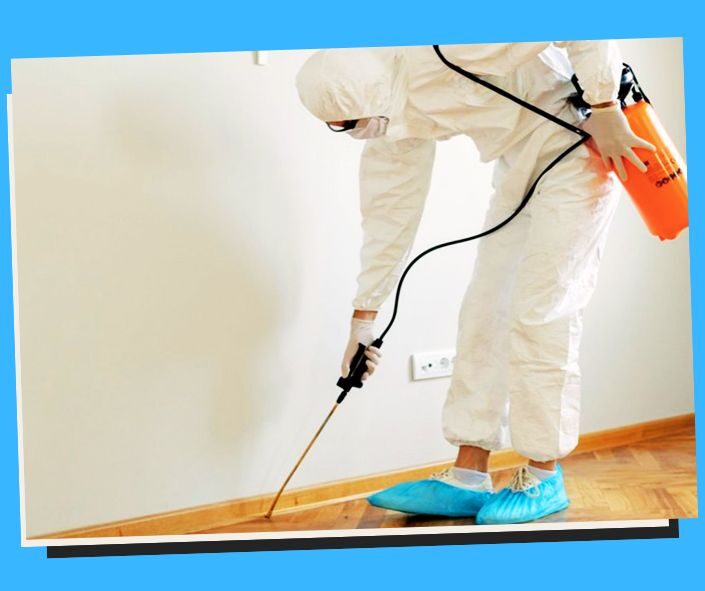
How to Start a Pest Control Business in the Philippines
Protect homes and businesses! Learn how to start a pest control business in the Philippines, from FDA License to Operate (LTO) to BIR compliance.
How to Start a Pest Control Business in the Philippines
In 2026, the Philippine pest control industry has shifted from “spray and pray” to a highly regulated, tech-driven sector. With the full implementation of FDA Circular No. 2022-010, the era of “colorum” (unlicensed) operators is over. Today, a professional Pest Control Operator (PCO) is a critical partner for food establishments, BPOs, and homeowners who demand safety and documentable results.
Starting a pest control business in the Philippines is a high-barrier, high-reward venture. It requires technical mastery, strict legal compliance, and a “safety-first” mindset. If you are ready to build a legitimate company that can secure premium corporate contracts, this 2026 roadmap is your essential blueprint.
The Philippines has one of the strictest regulatory environments for pest management in Southeast Asia
As of January 1, 2025, it is mandatory for all Household/Urban Pest Control Operators to hold a valid License to Operate (LTO) from the FDA. Additionally, if you target the agricultural sector, you must interface with the Fertilizer and Pesticide Authority (FPA). In 2026, businesses that utilize “Smart Pest Control” (IoT traps and real-time digital reporting) are winning the market over traditional manual services.+3
Step 1: Secure Mandatory Personnel & Facilities
Unlike other service businesses, you cannot start a PCO from your bedroom.
- Qualified Personnel: You must employ at least one FDA-certified Supervising Pesticide Handler (SPH).
- Physical Facility: Virtual offices are strictly prohibited. You must have a physical warehouse for chemical storage that meets Bureau of Fire Protection (BFP) and sanitary standards.
- Risk Management Plan: A mandatory document detailing how your business handles chemical spills, accidental exposure, and toxic waste disposal.
Step 2: Legal Registration Flow (2026 Digital Process)
A. DTI or SEC Registration
- Sole Proprietorship: Register via DTI BNRS.
- Corporation: Register via the SEC Electronic Simplified Processing of Applications for Registration of Company (ESPARC).
B. FDA License to Operate (LTO)
This is the “Golden Ticket” for your business. Apply via the FDA eServices Portal.
- Requirement: Proof of SPH/PH training (from FDA-accredited providers or FPA).
- Requirement: Site Master File (SMF) and location map of your warehouse.
- Process: Includes a pre-licensing inspection by FDA health officers.
C. BIR Registration via ORUS
- Form 1901/1903: Register your business as a “Professional Service” or “Corporation.”
- 8% Flat Tax: Highly recommended for small PCOs to simplify bookkeeping.
- Invoices: Secure an Authority to Print (ATP) for your “Service Invoices.” Corporate clients will not pay you without a BIR-registered invoice.
Pros and Cons of a Pest Control Business
Pros:
- Recession-Proof: Pests don’t care about the economy; businesses and homes always need protection.
- High Recurring Income: Annual Maintenance Contracts (AMC) provide predictable monthly cash flow.
- High Barrier to Entry: Strict regulations mean less competition from “low-quality” fly-by-night operators.
- 8% Tax Benefit: Low-overhead PCOs benefit significantly from this simplified tax scheme.
- Corporate Demand: Factories, restaurants, and hotels are legally required to have pest control contracts.
- Tech Multipliers: 2026 AI-driven heat maps and bait stations increase efficiency and lower labor costs.
- Scalability: Start with one multi-purpose vehicle and grow into a fleet.
- Knowledge Asset: Expertise in local species (like the Philippine milk termite) makes you a high-value consultant.
- Environmental Impact: Modern PCOs focus on Integrated Pest Management (IPM), reducing chemical footprints.
- High Profit Margins: Specialized services like termite soil treatment or fumigation command premium prices.
Cons:
- Strict Liability: You are handling toxic chemicals; any accident can lead to massive lawsuits or closure.
- Bureaucratic Maze: Navigating FDA, FPA, and LGU permits is time-consuming.
- High Startup Cost: Quality sprayers, PPE, fogging machines, and a specialized vehicle are expensive.
- Staff Safety: Constant risk of chemical exposure for your technicians.
- Document Heavy: Mandatory record-keeping for every chemical application, calibration, and spill.
- Physical Risk: Technicians often work in cramped, dark, or dangerous areas (roofs, crawlspaces).
- Negative Stigma: Some still view pest control as “just spraying poison,” requiring constant client education.
- Emergency Calls: Infestations don’t wait; you may deal with “urgent” calls at odd hours.
- Chemical Storage Laws: Strict zoning laws may prevent you from storing chemicals in residential areas.
- Audit Pressure: Corporate clients often conduct third-party audits of your PCO logs.
Market Rates for 2026 (Philippines)
| Service Type | Rate (Residential) | Rate (Commercial/SME) |
| General Pest Control (GPC) | ₱2,500 – ₱5,000 / visit | ₱5,000 – ₱15,000 / month |
| Termite Soil Treatment | ₱150 – ₱300 / sqm | Project-based |
| Fogging/Misting | ₱3,500 – ₱7,000 | ₱10,000+ |
| Rat/Mice Abatement | ₱2,000 – ₱4,000 | Included in AMC |
Frequently Asked Questions (FAQs)
- Is an FDA LTO optional for small businesses?
- No. Since Jan 2025, it is mandatory for all urban pest control operators.
- Can I use any pesticide?
- No. You must only use FDA-registered household pesticides. Using agricultural pesticides in homes is illegal.
- How much capital do I need?
- A legitimate 2026 start (permits, basic gear, 1 month of chemicals) requires ₱250,000 – ₱500,000.
- What is an SPH?
- A Supervising Pesticide Handler who is trained to oversee all chemical mixing and application.
- Do I need an Environmental Compliance Certificate (ECC)?
- Generally, PCOs are issued a Certificate of Non-Coverage (CNC) unless they have massive chemical manufacturing sites.
- Can I register as a professional?
- Yes, but most PCOs register as a Sole Prop or Corp to accommodate the warehouse and vehicle requirements.
- Is 8% tax better for PCOs?
- Yes, if your profit margins are high and your operating expenses (chemicals/fuel) are less than 40% of revenue.
- How do I find corporate clients?
- Participating in government/private biddings via PhilGEPS or LinkedIn networking.
- What is the “Re-entry Interval”?
- The mandatory time a client must wait before entering a treated area (must be on your signage).
- Do I need a special vehicle?
- Yes, a vehicle with a separate compartment for chemicals is required for safety compliance.
Practical Tips
- The “Safety Signage” Rule: Always display a “Pesticide Treatment in Progress” sign with your contact info and the re-entry time. It is a legal requirement.
- Service Reports: In 2026, clients want digital reports with photos of bait stations and “before/after” shots. Use an app like Jobber or a custom Google Form.
- PPE is Non-Negotiable: Invest in high-grade respirators (N95/N100). Your technicians’ health is your biggest liability.
- The AMC Strategy: Don’t sell “one-time sprays.” Sell “Peace of Mind” through 12-month Annual Maintenance Contracts.
Conclusion
Starting a pest control business in the Philippines in 2026 is no longer for the faint of heart—it is for the professional entrepreneur. By prioritizing FDA compliance and hiring certified handlers, you build a “fortress” business that is safe, legal, and highly profitable.
Link Resources
- FDA eServices Portal (LTO Application)
- Fertilizer and Pesticide Authority (FPA Facebook Page)
- BIR ORUS (Tax Registration)
- DTI BNRS (Business Name)
- PhilGEPS (Government Bidding)
Key Phrases
- Start pest control business Philippines 2026
- FDA License to Operate PCO requirements
- Pest control rates Philippines 2026 per visit
- How to become a certified pest control operator PH
- DTI business name for PCO company
- 8% flat income tax for pest control services
- Termite control business requirements Philippines
- Official invoices for PCO services BIR
- Pest control chemical storage safety PH
- Mandatory FDA certification for pesticide handlers
Best Hashtags
#howPhilippines #PestControlPH #PCOBusiness #BusinessRegistration #FDACompliance #TermiteControlPH #PinoyEntrepreneur #StartupPH #IntegratedPestManagement #SmartPestControl
Disclaimer
The information is for educational purposes only and subject to change, and it is highly recommended to consult local authorities for the latest and most accurate updates. We do not constitute endorsement of any specific technologies or methodologies or endorse of any specific products or services. For queries, questions, corrections, or updates, please send us a message through our Contact Us page. We welcome feedback to ensure our guides remain accurate, updated, and helpful for everyone