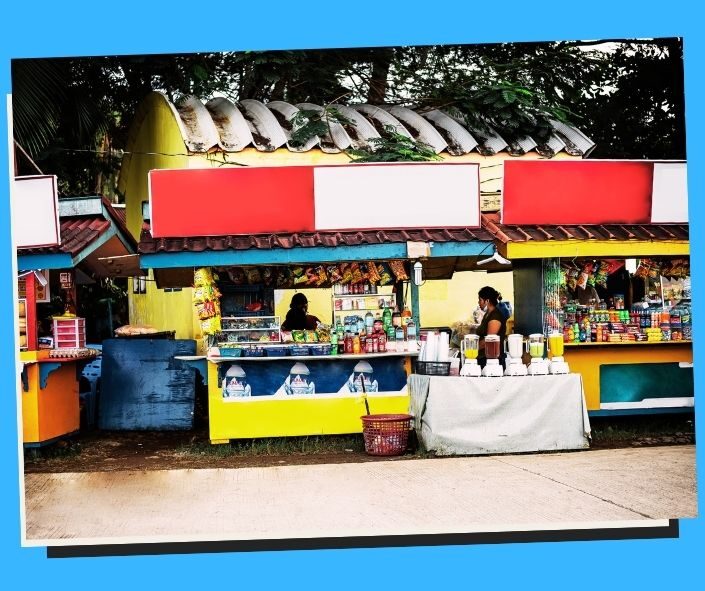
How to Travel the Philippines for $30 a Day
Explore the best of the Philippines in 2026 without breaking the bank. Our $30 a day guide covers cheap hostels, street food, and “madiskarte” travel hacks.
How to Travel the Philippines for $30 a Day in 2026
Can you really travel the Philippines for just $30 a day in 2026? It sounds like a dream from a decade ago, but even with global inflation, the “Pearl of the Orient” remains one of the most budget-friendly destinations for those who know where to look. For $30 (approximately PHP 1,700), you can wake up to the sound of waves in a beachside hut, feast on local “carinderia” specialties, and navigate between islands using the same transport as the locals.
This topic is more relevant than ever as travelers seek authentic experiences over expensive “Instagram-trap” resorts. Whether you are a student on a gap year, a digital nomad looking to lower your burn rate, or a local “backpacker” exploring your own backyard, this guide is designed for you. We will show you that “luxury” in the Philippines isn’t always about five-star hotels; it is about having the freedom to explore 7,641 islands without a heavy financial burden.
Philippine Context
Traveling the Philippines on a budget requires a shift in mindset. In 2026, the country has modernized significantly, but the core of its travel culture remains rooted in “madiskarte” (resourcefulness). While major hubs like Manila and Boracay can easily eat through a $30 budget in a single afternoon, the provinces offer a much different reality.
In Luzon, you can find incredibly cheap bus routes connecting the mountains of Sagada to the surf spots of La Union. In the Visayas, “ferry hopping” is the cheapest way to see multiple provinces like Cebu, Bohol, and Siquijor. Meanwhile, Mindanao offers some of the most affordable fresh produce and untouched beaches in the country. The “local rate” is your best friend, and understanding that things like “tricycles” and “jeepneys” are not just for photos, but are essential budget tools, is key to staying under $30.
Step-by-Step Guide to Budgeting $30 a Day
1. Secure “Posh-Backpacker” Hostels
In 2026, hostel culture has peaked. Look for dorm beds in reputable chains like Lub d or Mad Monkey, or local boutique hostels. Aim for PHP 500 to PHP 800 ($9 to $14) per night. This usually includes Wi-Fi and sometimes even a simple breakfast.
2. Master the “Carinderia” Lifestyle
Avoid “tourist-trap” restaurants with English menus on chalkboards. Look for “carinderias” (local eateries) where food is served “turo-turo” style. A full meal of rice, a meat dish, and a vegetable side will cost you PHP 100 to PHP 150 ($1.70 to $2.60).
3. Use the “Jeepney and Tricycle” Network
Skip Grab or private taxis. A jeepney ride in 2026 starts at around PHP 15 ($0.25). For shorter distances, a shared tricycle ride costs about PHP 20 to PHP 50. Only use private trikes if you are carrying heavy luggage.
4. DIY Your Tours
Instead of booking PHP 1,500 ($26) organized “Package A” or “Package B” tours every day, look for free public beaches or rent a scooter. A 24-hour scooter rental averages PHP 350 to PHP 500 ($6 to $9), allowing you and a friend to split the cost and explore at your own pace.
5. Stay Hydrated via Refill Stations
Buying bottled water daily is a budget killer and bad for the environment. Most hostels and even some carinderias offer “alkaline” refill stations for PHP 25 per liter. Carry a reusable 1-liter bottle.
Requirements and Documents Needed:
- Offline Maps: Download Google Maps or Organic Maps for your destination.
- GCash/Maya App: Essential for local digital payments and “pasa-load.”
- Reusable Bottle and Utensils: Saves money and reduces plastic waste.
- Student/Senior ID: If applicable, for discounts on ferries and museums.
Estimated Processing Time:
- Pre-trip Planning: 2 to 3 days to book the cheapest hostel rates.
- Daily Budget Tracking: 10 minutes every evening.
Common Mistakes to Avoid:
- Booking Last-Minute Flights: Domestic flights can jump from $30 to $120 if booked within a week of departure.
- Over-tipping: While appreciated, “western-style” tipping (20%) is not expected. Rounding up to the nearest 20 or 50 pesos is standard.
- Drinking Tap Water: Getting sick will cost you far more in medical bills than you saved on water.
Cost Breakdown (Daily Target: $30 / ~PHP 1,700)
- Accommodation: PHP 650 ($11.50) — Dorm bed in a decent hostel.
- Food: PHP 450 ($8.00) — Two carinderia meals, one street food snack, and coffee.
- Transport: PHP 200 ($3.50) — Two jeepney rides and half a scooter rental/gas.
- Activities/Misc: PHP 400 ($7.00) — Entrance fees for waterfalls/museums or a few local beers.
- Optional/Hidden Costs: Terminal fees at airports (PHP 200) and ferries (PHP 20 to PHP 50), plus laundry (PHP 150 for 5kg).
10 Benefits of the $30 a Day Lifestyle
- Authentic Connection: You interact more with locals in jeepneys and carinderias.
- Slow Travel: A tight budget forces you to stay longer in one place, truly absorbing the culture.
- Financial Discipline: You learn to distinguish between what you “need” and what you “want.”
- Better Health: You tend to walk more and eat less processed “fast food.”
- Support Local: Your money goes directly to small business owners and street vendors.
- Flexibility: Without pre-paid luxury tours, you can change your plans on a whim.
- Skill Building: You become a master at bargaining and navigating complex transit systems.
- Minimalist Joy: You realize how little “stuff” you actually need to be happy.
- Eco-Friendly: Using public transport and refillable water reduces your carbon footprint.
- Legendary Stories: The best travel stories usually come from the “struggles” of budget travel, not the luxury buffet.
Pros and Cons
Pros:
- Makes long-term travel (1 to 3 months) financially viable
- Allows you to visit “off-the-beaten-path” destinations
- Reduces the risk of being targeted by “tourist scammers”
- Encourages learning basic Tagalog or local dialects
- You discover “hidden gems” that aren’t in expensive guidebooks
- Shared dorms make it easy to meet fellow solo travelers
- Low-cost local rum (Tanduay) and beer (San Miguel) are world-class
- Most natural attractions (beaches, rivers) have very low entrance fees
- Public transport is a great way to see the scenery
- Many hostels offer free community events like “trivia nights”
Cons:
- Shared dorms can mean less sleep and zero privacy
- Lack of air conditioning in the cheapest “fan rooms”
- Public transport can be slow, crowded, and hot
- Limited “Western” food options within this budget
- Street food carries a small risk of “Bali Belly” (or “Manila Tummy”)
- You might miss out on expensive “bucket list” items like scuba diving
- Constant currency conversion and price checking can be tiring
- Island-hopping is becoming more expensive due to fuel costs
- Some remote areas lack ATMs, requiring you to carry lots of cash
- Traveling in the “rainy season” (cheaper) comes with flight cancellations
Real-Life Filipino Examples
1. The “Cebu Loop” Soloist
Junjun spent 5 days exploring South Cebu. By staying in PHP 500 dorms in Moalboal and eating at the public market, he spent only PHP 1,400 per day. He used the savings to pay for one “big” activity: Canyoneering in Badian (PHP 1,500).
Lesson learned: Save on the basics so you can splurge on the memories.
2. The “Slow Traveler” in Siquijor
Anika, a digital nomad, rented a small hut for a whole month for PHP 12,000. This brought her “nightly” cost down to PHP 400. Because she had a small kitchen, she cooked her own breakfast and dinner using market produce.
Lesson learned: Long-term stays significantly drop your daily average.
3. The “Jeepney Duo” in Luzon
Two friends traveled from Manila to Banaue using only public buses and jeepneys. While their foreign friends paid $100 for a private van, they paid only PHP 700 each for the overnight bus.
Lesson learned: Comfort is expensive, but the destination is the same.
Frequently Asked Questions (FAQs)
- Is $30 a day really possible in 2026?
- Yes, but it requires staying in dorms and eating local food.
- Does this budget include flights?
- No. This is “pocket money” for daily living expenses once you arrive.
- Where is the cheapest place to stay?
- Dumaguete and parts of Northern Mindanao are often cheaper than Palawan or Siargao.
- Is street food safe?
- Generally, yes. Look for stalls with a high turnover of local customers.
- How much is a beer?
- A San Miguel Pale Pilsen at a local store is PHP 60 to PHP 80 ($1.20).
- Can I use my credit card?
- Only in malls and big hotels. Budget travel in the PH is 90% cash-based.
- Are there any “hidden” fees?
- Always keep PHP 200 in your pocket for terminal fees and environmental fees.
- Is it safe to travel solo on a budget?
- Yes, the Philippines is generally very welcoming to solo travelers.
- What is the best month for budget travel?
- May and October are “shoulder seasons” with good weather and lower prices.
- How do I find carinderias?
- Just walk away from the main beachfront. If you see locals sitting on plastic stools, you’ve found it.
Practical Tips
- Insider Tip: Join Facebook groups like “DIY Travel Philippines.” Locals and travelers post real-time price updates and “joiner” tour opportunities.
- Budget-Saving Tip: Use the “24-hour rule” for souvenirs. If you still want that shell necklace the next day, buy it. Most “vacation brain” purchases are impulsive.
- Time-Saving Advice: Use overnight buses (like Coda Lines to Sagada) to save on one night of accommodation while moving to your next spot.
- Safety Reminder: Always carry a “dummy” wallet with a few hundred pesos and keep your main cash and passport in a hidden money belt.
Conclusion
Traveling the Philippines for $30 a day in 2026 is not just a financial challenge; it is a gateway to a more profound travel experience. By stepping off the luxury path, you open yourself up to the hospitality of the Filipino people and the raw beauty of the islands. You don’t need a fortune to see the world’s best sunsets or swim in the clearest waters.
The most valuable things in the Philippines—the smiles, the turquoise water, and the sense of adventure—are essentially free. So pack light, keep an open mind, and start your “madiskarte” journey today. Ang mundo ay malawak, at hindi kailangang maging mahal ang pagtuklas nito!
Link Resources
- Department of Tourism (DOT) Philippines – Official Travel Guide
- Guide to the Philippines – Budget Trip Planner
- Philippine Airlines (PAL) – Seat Sale Page
- TIEZA – Travel Tax and Terminal Fee Info
- Numbeo – Cost of Living in the Philippines 2026
Key Phrases
- Philippines budget travel guide 2026
- How to live on $30 a day Philippines
- Cheap backpacking routes Philippines
- Carinderia food prices 2026
- Local transport costs Philippines
- Best value hostels in the Philippines
- Saving money on island hopping
- DIY travel Philippines tips
- Philippine peso to USD budget
- Affordable solo travel Philippines
Best Hashtags
#howPhilippines #BudgetTravelPH #BackpackingPhilippines #TravelOnABudget #PinoyTravel #ExplorePH #WaisNaBiyahero #$30ADayChallenge #SiquijorBudget #PalawanOnABudget
Disclaimer
The information is for educational purposes only and subject to change, and it is highly recommended to consult local authorities for the latest and most accurate updates. We do not constitute endorsement of any specific technologies or methodologies or endorse of any specific products or services. For queries, questions, corrections, or updates, please send us a message through our Contact Us page. We welcome feedback to ensure our guides remain accurate, updated, and helpful for everyone